Unveiling the Kings of Israel: Revealing the Bible's Archaeological History by David Down is clearly written in an unbiased fashion. Although contemporaries may argue this notion, it seems abundantly clear in the introduction. Down explains that when “Correctly interpreted, the historical records of Egypt and Israel show a remarkable consistency with the Bible records which we can accept as not only inspiring but entirely reliable”. Down uses the statements reliable, significant, clues, does not prove, reference was made, and revealing, throughout the entire book.
Views of monotheism or godly manifestations are never thrown in your face, rather, they are presented to the reader so that they may ponder their significance in the historical record. Down explores the chronological history of Israel’s Kings and the archaeological evidence left to describe their journey throughout history. David Down never states that history should only be based upon the Bible. He only wants the reader to understand that Bible history does have credence. He further explains that archaeological support has to be present to arrive at conclusions about our past.
Unveiling the Kings of Israel guides the reader from the earliest civilization in Ur to the land of the Pharaoh and the New Testament. Yet, there is a significant amount of archaeological evidence throughout the book which details the significance of the find, compared to what details are stated in the Bible. What I did find fascinating is the fact that Down clearly mentions that “There may have been more involved than the Bible record spells out”. This statement, of course, pertains to a marriage involving a Pharaoh and Abram, nonetheless, it carries over throughout the rest of the book.
Unveiling the Kings of Israel was simply a joy to read and review. I was honored to have the opportunity, so thank you to Master Books, a division of the New Leaf Publishing Group.
 David Down is a field archaeologist and an expert in Middle Eastern and Biblical Archaeology. He publishes a monthly archaeology newsletter called Diggings, and the magazine ArchaeologicalDiggings, which is distributed by newsagents throughout Australia. You can also connect with David on his website: Archaeological Diggings. Interview with David Down at Creation.com
You might also enjoy
by David Down is clearly written in an unbiased fashion. Although contemporaries may argue this notion, it seems abundantly clear in the introduction. Down explains that when “Correctly interpreted, the historical records of Egypt and Israel show a remarkable consistency with the Bible records which we can accept as not only inspiring but entirely reliable”. Down uses the statements reliable, significant, clues, does not prove, reference was made, and revealing, throughout the entire book.Views of monotheism or godly manifestations are never thrown in your face, rather, they are presented to the reader so that they may ponder their significance in the historical record. Down explores the chronological history of Israel’s Kings and the archaeological evidence left to describe their journey throughout history. David Down never states that history should only be based upon the Bible. He only wants the reader to understand that Bible history does have credence. He further explains that archaeological support has to be present to arrive at conclusions about our past.
Unveiling the Kings of Israel guides the reader from the earliest civilization in Ur to the land of the Pharaoh and the New Testament. Yet, there is a significant amount of archaeological evidence throughout the book which details the significance of the find, compared to what details are stated in the Bible. What I did find fascinating is the fact that Down clearly mentions that “There may have been more involved than the Bible record spells out”. This statement, of course, pertains to a marriage involving a Pharaoh and Abram, nonetheless, it carries over throughout the rest of the book.
So what can you expect from Unveiling the Kings of Israel?
Readers will learn more about:- The scientific and mathematical advancements in Ur and where those advancements transitioned to and by who.
- Chronological clues are investigated to determine the birth date of Abram using excerpts from the Bible and the year of Solomon’s accession.
- A brief explanation of the ship, believed at one point to be Noah’s Ark, discovered in lesser Mount Ararat.
- Tablets excavated at Nineveh which were written in ancient Assyrian, and later translated by Henry Rowlinson.
- Thousands of archaeological items stored in museums that have yet to be tested against Bible history.
- The significance of Petra and its Biblical past.
Final Thoughts on Unveiling the Kings of Israel
This eye opening and provocative assemblage of literary history and effervescent illustrations, creates a book that you just can’t put down. For years to come, this book will be an enduring resource for children, scholars, students, or anyone interested in learning more about biblical archaeology and its place in history.Unveiling the Kings of Israel was simply a joy to read and review. I was honored to have the opportunity, so thank you to Master Books, a division of the New Leaf Publishing Group.
About David Down
 David Down is a field archaeologist and an expert in Middle Eastern and Biblical Archaeology. He publishes a monthly archaeology newsletter called Diggings, and the magazine ArchaeologicalDiggings, which is distributed by newsagents throughout Australia. You can also connect with David on his website: Archaeological Diggings. Interview with David Down at Creation.com
You might also enjoy
- Jericho Unearthed - Bible Confirmed Once Again--Can archaeology prove the accuracy of the Bible? In this video, we hear from archaeologists about what is required to make an honest and intelligent assessment about the accuracy about the Bible. The video begins in Jericho.
- Uruk Period Kings --After priests, who held economic and political powers, still retaining their religious mystique of course, Uruk period kings emerged as dual rulers in an effort to combat warfare and forge sociocultural bonds with their people.
- Sumerian Cities --The Sumerian cities were surrounded by walls, much like the Forbidden City, as a way to keep their culture secret and sacred. Sumerian city dwellings were constructed out of sun-dried bricks, including peasant quarters and the larger dwellings of priestly and civic officials.
If you would like to read Unveiling the Kings of Israel: Revealing the Bible's Archaeological History, or use it as a resource in your classrooms, pick it up today on Amazon.
, or use it as a resource in your classrooms, pick it up today on Amazon.

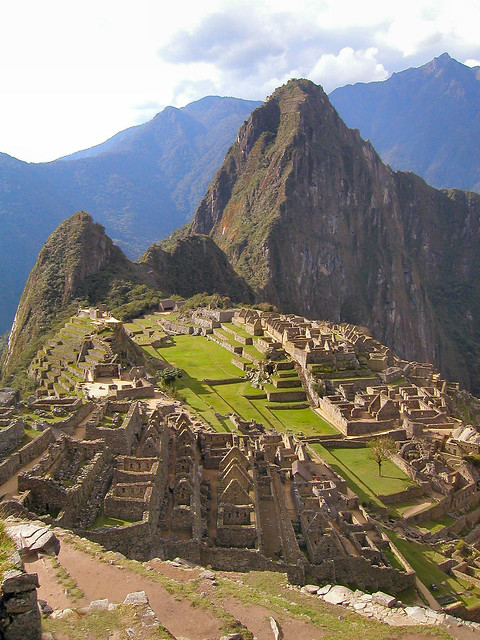
 seemingly escaped discovery. Serving as a prime example of
  , Machu Picchu provided historians with new information about early indigenous society in South America. The site was made a UNESCO World Heritage site in 1983 and was named one of the New Seven Wonders of the World in 2007.
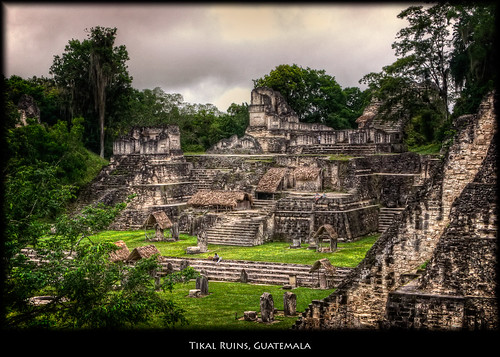
 has been so well preserved, it has provided the most thorough insight into this ancient mega-civilization.