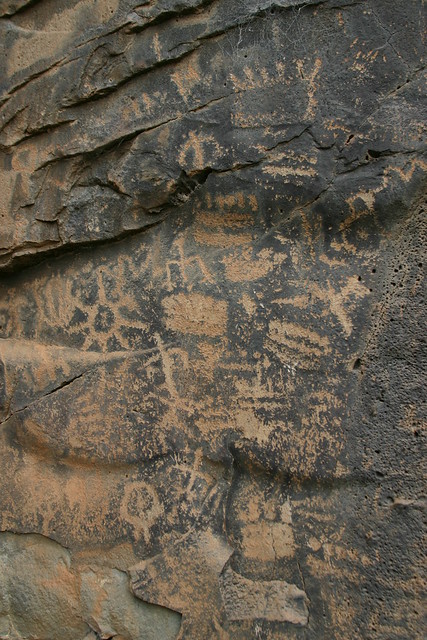
The highly publicized area of Petra has more significance than its modern-day use as a beautiful tourist location that many refer to as the rock-built “rose red” city. Although famously portrayed in such movies as Indiana Jones and the Last Crusade, Arabian Nights, and Sinbad and the Eye of the Tiger, the red city has deep roots in Biblical archaeology. Even so, it continues to be of high interest to many, including world travelers, Biblical Archaeologists and historians.
The city is known for its beautiful rock cut architecture that dates back to the BCE late century. As a semi-fortress, it was attractive to kings because it was easier to control and protect than other nearby geographic locations. The Edomites, Nabataeans and the Romans found it to be of significant economical and archaeological advantage, because of its close 80-kilometer proximity to the Dead Sea and narrow entrance.
The Edomites Run the Red City

Although some historians believe that the actual rose red city may not have been included within Edomite rule, the surrounding area of the city was called Edom, and was ruled by the Edomites beginning near 1200 BCE. The Edomites were a resourceful people and they controlled the majority of the spice trade from South Arabia to the northern area of Damascus. Their society was described as one of distinction and sophistication with creative outlets that included writing, textile production, ceramics and skilled-metal products.
Nabataeans Take Over and Rule

When an Arab tribe called the Nabataeans migrated to Edom in 312 BCE, this forced the wise Edomites into the southern Palestinian area. When this occurred, the Nabataeans began to increase the economic and archaeological advantages that the Edomites had begun. Working to create a flourishing capitol, the Nabataeans extended spice trade acquisition, by lengthening the route to include Northwest Gaza, Palmyra and the Syrian Desert, and the Aqaba area.
They also began to build some of the famous tourist monuments that are now protected as a UNESCO World Heritage Site. The Nabataens began to utilize the red rock as the main resource for territorial expansion. Today, tourist can see the evidence of Nabataen and Roman architecture, including the famous Colonnaded Street, the Temple of Winged Lions, and the great Treasury building.
Other famous sites that are connected to the planned complex include the famous East and West Propylaeum, the upper and lower Temenos and the Great Temple. Yet, one of their most significant advantages in their society was the development of a hydraulically engineered system that helped control winter water, and helped to provide an adequate means of water conservation.
Roman Empire Influences


General Pompey of the Roman Empire was the first in Roman succession to take over the rose red city and surrounding areas. Through his rule, the Romans began to expand the red city capital, and they made it official by calling the provincial area Arabia Petraea. It is estimated that the Roman takeover began between the years of 64 to 63 BCE.
The majority of monuments and tombstones within the red city were primarily made of limestone and sandstone. Although the Romans had their own cultural influences that they brought to the area, they added a mix of both Roman and Nabataean influences to renovate buildings and to add new architectural additions to enhance the city. The King’s Highway or Via Traiana is one of the most fascinating contributions to the rose red city that was left by the Romans.
Herod the Great and other Bible Connections


The red city has held both Christological influences from the Bible and pagan aristocratic influences. With the unearthing of rock-cut monuments and mosaics, these influences have become highly connected with biblical archaeology. Yet, many of the references to the Bible are obscure.
However, many historians of biblical archaeology have connected the red city with the biblical passages found in the 16th and 42nd chapters of the book of Isaiah. In these passages, historians believe these Biblical mention of Selah are actual references to the red city. Yet, there are similar references to the red city in the biblical books of Obadiah and Amos.
Herod the Great ran the Roman Empires and there was strong biblical reference that stated his desire to kill the baby Jesus. Even so, Herod I, as he was known, had familial roots in the red city. He was the second born son, and his father provided service under a high-ranking Nabataean public official. However, Herod's mother, Cypros, was the princess of the red city, Jordan and Nabatia.
Further still, his father was called Antipater the Idumaean, and the Idumaeans were historically considered a direct lineage of the Edomites, which were forced out of the area because of the Nabataeans. Ironically, the biblical passages that historians use to compare the rose red city and Selah as the same city, encouraged those that were persecuted to hide in the Siq, or the very same place where Herod I acquired his familial lineage.
Furthermore, biblical reference to the Siq, the entrance to the red city, describes the location as a dusty sand-prone area. Even today, the Siq is known for its loose sandstone and limestone deposits that are still of great value to archaeologists and scientists that hope to uncover more hidden treasures from Roman, Nabataean and Edomite culture.
Rose Red City Architecture

Rock architecture was the main way that Romans and other ancient societies built structures like Petra. Rock cut architecture is an ancient building process that uses existing rock formations to build living quarters, religious temples and specific-use buildings. Although some forms of this architectural process is still used today to build cliff-hanging houses, the Romans built theaters, cave dwellings and tombs using this method.
Besides the Great Temple and the Treasury building, they also lived among many other astonishing rock buildings as a part of the Colonnaded Street plan. Building construction along this street included the East Exedra with its famous niche of seating, the vaulted chambers and arches of the Theatron and the modern-like Roman-Byzantine Bathing House with its drainage pipes. The city building plan also included the creation of the Great Cistern, the East Triple Colonnade and the Baroque Room Complex. Influences from the Roman Empire and Nabataeans are often blurred within Petra, but what remains is a beautiful contribution to human creativity and perseverance in an area that was unlikely to support life.
All pictures © evkr
Author Bio:
Ms. Leah L. Logan enjoys all types of writing, including article writing, journalism, and ghostwriting. Ms. Logan is a two-time international author with the release of the co-authored books “Removing the Mask: Living an Authentic Life” and “Self Architect: Redesigning Your Life” both edited by Linda Ellis Eastman.
Related Article