Greek culture, society, and politics were a measure of Greek identity. The idea was, essentially, that Herodotus wrote his historical account from the view of a Greek citizen, therefore his biased account embraced the idea that all non-Greeks were inferior. Herodotus’ concept of the Greek’s view of Persians served as a model from which the Greeks could assess their own society. Greek victory over the Persians symbolized the bravery and the supremacy of Greek society over the sand dwelling Persians, therefore reinforcing their concept of cultural identity and political excellence. Herodotus’ depiction of the Greeks as a community of peoples, clinging to their identity, culture, and politics created on the basis of equality, was the perspective we are presented in order to understand the Persian defeat by a more simple minded people.
The Persian Wars, according to the Histories of Herodotus, were significant to the Greeks because they preserved Greek identity. In Book One of Herodotus, a Lydian named Sandanis gives Croesus advice, prior to his campaign into Cappadocia where he would destroy Cyrus. Sandanis explains that these men who where leather don’t eat what they want, but what they have. They don’t use wine, but are water drinkers, and they don’t have exotic fruits to nibble on such as figs . Essentially, the Persians are seen as having nothing, so defeating them in battle will not result in any spoils. This contrived image of Greek superiority reigns throughout Herodotus, and when the Persians were defeated, the image of what a non-Greek represented, was destroyed.
It’s true. The Persians were poor prior to the Lydian invasion, so in affect, Herodotus’ view of their efforts against the Greeks may have been different if their economic status had not changed. Since Persian wealth and luxury were used as a characterization of the barbarians, it’s of no consequence that Herodotus viewed their acquisition of an empire, along with the immense wealth and foreign luxury that this brought them, as an erosion of their former toughness and it made them soft. “Just as Cyrus had been defeated by the Massagetae and Darius by the Scythians, the Persians were once again worsted by a hardier and simpler people.”
In the case of warfare, Grecian hoplites were armed with long spears fitted with iron tips, which were significantly longer than Persian spears, and a sword. The heavy armour consisted of a bronze breastplate, helmet with plume and opening in the center, and a shield measuring one meter across. Essentially the longer spears made them superior in hand-to-hand combat. Yet, this was the first time the Athenians warriors encountered the Median garb and the men who wore it. Herodotus says that the Persians borrowed the attire of the Medes because it was more beautiful than their own . Later on Aristagoras of Miletus ridicules men who fought
'wearing trousers and turbans'; and at Plataea it is their clothing that causes them the most harm and which the Greeks totally disregard as booty once the battle is over . Even considering the Persian’s fanciful garments, confidence in numbers, and their belief that most inferior peoples are the ones who live the farthest from them, they still essentially failed at Marathon.
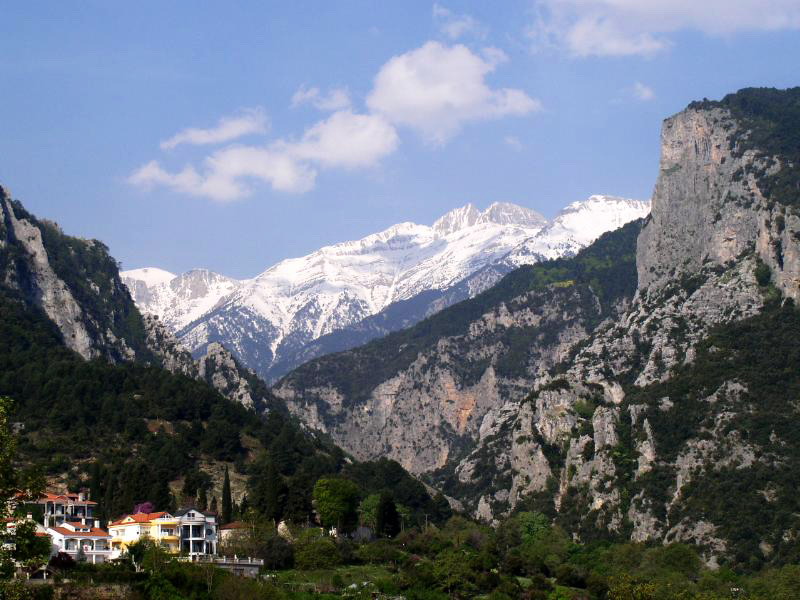
The historical account of the Battle of Marathon may be entirely different than what Herodotus had proposed. Since the Greeks relied heavily on the opinions of the gods, it’s of no surprise that Herodotus hints at their involvement, or rather their assistance, at defeating the Persians. Herodotus states “if the gods be but impartial, that either the enemy shall not attack you at all, or, if they do, shall be greatly to their own detriment.” Interestingly enough, after this statement, Philippedes has a vision. Philippedes has met Pan on Mount Parthenium where Pan shouts to him, “Why do you pay no heed to Pan, who is a good friend to the people of Athens, has been many time serviceable to you, and will be so again?” Till then the Greeks were terrified even to hear the names of the Medes, but Philippedes vision may have prevented panic among the Athenians, allowing them to move forward through the sea of Persian arrows at Marathon.
Herodotus’ criterion of a historical cause of the Greek’s triumph during the Persian wars is primarily political. Herodotus’ culturally biased depiction of Persian politics reinforces the Greek’s lack of knowledge of Persian society. What they did know was that a non-Greek system of politics, or a non-democratic government, was far inferior to their political organization. Herodotus explains that the monarchy, an ideal championed by Persian powers, and represented by Darius, was by far less predominate than Greek democracy . In Herodotus, democracy represented freedom and a monarchy represented slavery. The idea put forth by Herodotus was that when all of the democratic city-states united against invaders from a Persian monarchy, they would prevail.
Finally, according to Herodotus the Greeks had more motivation. Flowers explains that Herodotus was not entirely uninformed of the biases of his own culture, and even if he were the plot line demanded that the Greeks be the defenders of liberty against Persian aggression. This essentially explains why the fault, or lines of historical causation, runs though the Histories of Herodotus . Persian kings may have sought retribution for the capture of Sardis by Athenian and Eretrian forces and the Greeks were determined to defend their homeland because they were inherently tied to equality. Regardless of motivations of both sides, Herodotus attributed the Greek victory to virtue. Their meek and unpretentious existence was entirely relative to the Persians, who were dripping in riches. In Book 8.26 of Herodorus’ Histories, the Arcadians explain that the Greeks are at present celebrating the Olympic games. Tigranes burst out with the words words, “What, Mardonius! What sort of men have you led us to fight against, who contend, not for money, put purely for the sake of excellence?” Clearly, it was part of the Greek’s strength, Herodotus believed, to be victorious in battle because of their wisdom, laws and customs. Ideas in which were foreign in the eyes of the Persians, concerned with the spoils of war and their own personal ideals of wealth.
Herodotus, often called the “Father of History”, appears to have drawn on the Ionian tradition of story telling to write the action filled trials of the Persian wars. The stories contain folk like stories of action and adventure and war and politics, but even so, there’s a substantial amount of facts relating to geography, anthropology and history, all compiled by Herodotus in an entertaining style and format . The Greek cities, according to Herodotus, refused to bow down before the barbarians. The Greeks were skillful in battle and resourceful and they utilized their relationship with the gods to defeat the enemy. One might say the armies of Persia and Greek were equally matched and either side could have prevailed, but Herodotus clearly represents the Greeks as undefeatable.
The Persian Wars, according to the Histories of Herodotus, were significant to the Greeks because they preserved Greek identity. In Book One of Herodotus, a Lydian named Sandanis gives Croesus advice, prior to his campaign into Cappadocia where he would destroy Cyrus. Sandanis explains that these men who where leather don’t eat what they want, but what they have. They don’t use wine, but are water drinkers, and they don’t have exotic fruits to nibble on such as figs . Essentially, the Persians are seen as having nothing, so defeating them in battle will not result in any spoils. This contrived image of Greek superiority reigns throughout Herodotus, and when the Persians were defeated, the image of what a non-Greek represented, was destroyed.
It’s true. The Persians were poor prior to the Lydian invasion, so in affect, Herodotus’ view of their efforts against the Greeks may have been different if their economic status had not changed. Since Persian wealth and luxury were used as a characterization of the barbarians, it’s of no consequence that Herodotus viewed their acquisition of an empire, along with the immense wealth and foreign luxury that this brought them, as an erosion of their former toughness and it made them soft. “Just as Cyrus had been defeated by the Massagetae and Darius by the Scythians, the Persians were once again worsted by a hardier and simpler people.”
In the case of warfare, Grecian hoplites were armed with long spears fitted with iron tips, which were significantly longer than Persian spears, and a sword. The heavy armour consisted of a bronze breastplate, helmet with plume and opening in the center, and a shield measuring one meter across. Essentially the longer spears made them superior in hand-to-hand combat. Yet, this was the first time the Athenians warriors encountered the Median garb and the men who wore it. Herodotus says that the Persians borrowed the attire of the Medes because it was more beautiful than their own . Later on Aristagoras of Miletus ridicules men who fought
'wearing trousers and turbans'; and at Plataea it is their clothing that causes them the most harm and which the Greeks totally disregard as booty once the battle is over . Even considering the Persian’s fanciful garments, confidence in numbers, and their belief that most inferior peoples are the ones who live the farthest from them, they still essentially failed at Marathon.
The historical account of the Battle of Marathon may be entirely different than what Herodotus had proposed. Since the Greeks relied heavily on the opinions of the gods, it’s of no surprise that Herodotus hints at their involvement, or rather their assistance, at defeating the Persians. Herodotus states “if the gods be but impartial, that either the enemy shall not attack you at all, or, if they do, shall be greatly to their own detriment.” Interestingly enough, after this statement, Philippedes has a vision. Philippedes has met Pan on Mount Parthenium where Pan shouts to him, “Why do you pay no heed to Pan, who is a good friend to the people of Athens, has been many time serviceable to you, and will be so again?” Till then the Greeks were terrified even to hear the names of the Medes, but Philippedes vision may have prevented panic among the Athenians, allowing them to move forward through the sea of Persian arrows at Marathon.
Herodotus’ criterion of a historical cause of the Greek’s triumph during the Persian wars is primarily political. Herodotus’ culturally biased depiction of Persian politics reinforces the Greek’s lack of knowledge of Persian society. What they did know was that a non-Greek system of politics, or a non-democratic government, was far inferior to their political organization. Herodotus explains that the monarchy, an ideal championed by Persian powers, and represented by Darius, was by far less predominate than Greek democracy . In Herodotus, democracy represented freedom and a monarchy represented slavery. The idea put forth by Herodotus was that when all of the democratic city-states united against invaders from a Persian monarchy, they would prevail.
Finally, according to Herodotus the Greeks had more motivation. Flowers explains that Herodotus was not entirely uninformed of the biases of his own culture, and even if he were the plot line demanded that the Greeks be the defenders of liberty against Persian aggression. This essentially explains why the fault, or lines of historical causation, runs though the Histories of Herodotus . Persian kings may have sought retribution for the capture of Sardis by Athenian and Eretrian forces and the Greeks were determined to defend their homeland because they were inherently tied to equality. Regardless of motivations of both sides, Herodotus attributed the Greek victory to virtue. Their meek and unpretentious existence was entirely relative to the Persians, who were dripping in riches. In Book 8.26 of Herodorus’ Histories, the Arcadians explain that the Greeks are at present celebrating the Olympic games. Tigranes burst out with the words words, “What, Mardonius! What sort of men have you led us to fight against, who contend, not for money, put purely for the sake of excellence?” Clearly, it was part of the Greek’s strength, Herodotus believed, to be victorious in battle because of their wisdom, laws and customs. Ideas in which were foreign in the eyes of the Persians, concerned with the spoils of war and their own personal ideals of wealth.
Herodotus, often called the “Father of History”, appears to have drawn on the Ionian tradition of story telling to write the action filled trials of the Persian wars. The stories contain folk like stories of action and adventure and war and politics, but even so, there’s a substantial amount of facts relating to geography, anthropology and history, all compiled by Herodotus in an entertaining style and format . The Greek cities, according to Herodotus, refused to bow down before the barbarians. The Greeks were skillful in battle and resourceful and they utilized their relationship with the gods to defeat the enemy. One might say the armies of Persia and Greek were equally matched and either side could have prevailed, but Herodotus clearly represents the Greeks as undefeatable.
Also check out:
Greek Architecture
Greek Week: Pericles 101
Aristocratic Life and Values in Homeric Greece
The Ionian Cultural Revolution
Greek Week: Pericles 101
Aristocratic Life and Values in Homeric Greece
The Ionian Cultural Revolution
Resources
- Grene, David. Herodotus: The Histories. Chicago: University of Chicago Press, 1987.
- Flowers, Michael. Herodotus and Persia. The Cambridge Companion to Herodotus. Edited by Carolyn Dewald and John Marincola . New York: Cambridge University Press, 2006.
- Murray, Oswyn, J.Boardman, J.Griffin. The Oxford History of the Classical World. New York: Oxford University Press, 1986.