Caesar believed that the Celtic Druid's of the Otherworld preached immortality of the soul, and it would allow them to be fierce warriors. However, many believe that their souls migrate to different vessels, allowing them to live for centuries.
This belief of reincarnation is quite different than Hinduistic rituals where reincarnation affected all those that were worthy. The druids believed that their souls, even when they were long gone, would be able to control their body in the otherworld.
The otherworld was believed to be a place where men and women lived in complete happiness in a land that was lush and plentiful. Not to be confused with the underworld which was filled with pale wanderers and gloomy landscapes.
During the 17th century, poets painted the otherworld as a "Land of the Living", where beautiful woman are plentiful and bright birds fly with ease through the river valleys. Once there, you will overcome all. However, when you leave, your hair will turn gray and your skin will shrivel.
Interestingly enough, when you take note of the lyrics of Irish verse or musical expressions, it’s reaped in color and descriptions of green pastures and marvels of beauty.

Source
It was said to be a world within a world below the ground or under the sea, as was the land of Atlantis. A paradise where one never aged and all that resided were completely equal of value and importance, as was the fountain of youth.

Source

Source
There were passages to enter, or rather secret portholes only allowed by the insight of your mind. The Cave of Cruachan was a possible entrance referenced in the story of Nera’s Adventure.

 Iron age Britain was populated by an ancient, indigenous people called the Celts. Spreading from Ireland, across mainland Britain and right into Europe, the Celts were a superstitious people with a rich mythology and ritualistic religious practice. Human Sacrifice in Celtic Britain By
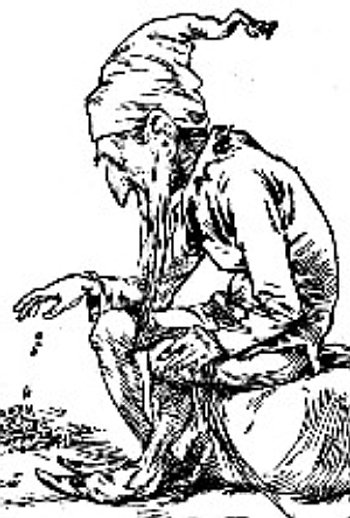 Celtic folklore is full of interesting creatures, unusual stories, and superstitions that still fascinate us. Some of those legends still thrive in books, novels, and modern celebrations, keeping a handful of unique Celtic myths familiar to audiences.Celtic Myths: Selkies, Banshees, and Leprechauns By writecorner
 Nestled in a ridge near a bend in the Boyne River in Ireland is one of the most amazing examples of ancient monuments that can still be seen today. It is a megalithic passage tomb that predates Stonehenge by roughly 1,000 years. The History of the Newgrange Passage Tomb in Ireland by Shelly Barclay


A reconstructed Celtic burial mound located near Hochdorf in Germany. Such burials were reserved for the influential and wealthy in Celtic society.

This belief of reincarnation is quite different than Hinduistic rituals where reincarnation affected all those that were worthy. The druids believed that their souls, even when they were long gone, would be able to control their body in the otherworld.
The otherworld was believed to be a place where men and women lived in complete happiness in a land that was lush and plentiful. Not to be confused with the underworld which was filled with pale wanderers and gloomy landscapes.
During the 17th century, poets painted the otherworld as a "Land of the Living", where beautiful woman are plentiful and bright birds fly with ease through the river valleys. Once there, you will overcome all. However, when you leave, your hair will turn gray and your skin will shrivel.
Interestingly enough, when you take note of the lyrics of Irish verse or musical expressions, it’s reaped in color and descriptions of green pastures and marvels of beauty.
Source
It was said to be a world within a world below the ground or under the sea, as was the land of Atlantis. A paradise where one never aged and all that resided were completely equal of value and importance, as was the fountain of youth.
Cave of Cruachan
Source
Rathcroghan
Source
There were passages to enter, or rather secret portholes only allowed by the insight of your mind. The Cave of Cruachan was a possible entrance referenced in the story of Nera’s Adventure.

 Iron age Britain was populated by an ancient, indigenous people called the Celts. Spreading from Ireland, across mainland Britain and right into Europe, the Celts were a superstitious people with a rich mythology and ritualistic religious practice. Human Sacrifice in Celtic Britain By Celtic folklore is full of interesting creatures, unusual stories, and superstitions that still fascinate us. Some of those legends still thrive in books, novels, and modern celebrations, keeping a handful of unique Celtic myths familiar to audiences.Celtic Myths: Selkies, Banshees, and Leprechauns By writecornerNestled in a ridge near a bend in the Boyne River in Ireland is one of the most amazing examples of ancient monuments that can still be seen today. It is a megalithic passage tomb that predates Stonehenge by roughly 1,000 years. The History of the Newgrange Passage Tomb in Ireland by Shelly Barclay
High stone pillar adjacent to the Druid's Temple near Ilton

A reconstructed Celtic burial mound located near Hochdorf in Germany. Such burials were reserved for the influential and wealthy in Celtic society.
- Celtic Art & Cultures: a detailed description of the Gundestrup cauldron
- Celtic Religion - What Information do we really have
- Pretanic World - Celtic Pantheons
- What We Don't Know About the Ancient Celts
- Timeless Myths: Celtic Mythology Myths and legends from Celtic Ireland, Scotland, Wales and Brittany.
- Newgrange.com
- Irish passage tombs and other Neolithic monuments
- 101 Facts About Newgrange
- Boyne Valley Portal Website - Information on Newgrange
- Research on Newgrange's possible alignment
- MegalithicIreland.com