Monday Ground Up Special Edition By Wozniacki
September 4, 2011--Say 'Canary Islands', and most Europeans will have 'all-year-round holiday destination' leap into their minds. For many Americans, the scary phrase 'mega-tsunami' may be conjured up – courtesy of worries that the island's unstable volcanic slopes will one day collapse. But for all their modern-day familiarity as holiday-destinations – or harbingers of doom – when looked at historically, the Canary Islands were always an exotic outpost right on the edge of the map.
Up until 500 years ago, cartographers would draw a line just west of these tiny volcanic fragments, and place on it the label 'here be monsters' – capturing the unknown essence of the oceans stretching westwards off of the map. But although right at the geographic limits of the Old World, for thousands of years, the Canary Islands have been anything but short of history. Before the Spanish planted Castile's flag – as part of their Conquest of the islands in the 15th century – Berbers, Romans, Arabs and even Greeks, may have come to explore these fascinating outposts.
The inhabitants the Spanish found living on the islands when they arrived in 1402, were described as from a different, more primal era. Labeled 'Guanches', the debate has raged ever since their origins. Some had them down as Phoenicians sailors and traders, others as prisoners abandoned by King Juba II of Numidia, back in 100 years BC. But DNA evidence has now conclusively pointed to the original Guanches as being of Berber-descent – an ancient people who lived in the North African mountains.

© R. Liebau (Reconstruction of a Guanche village Tenerife).
The first archaeological evidence left by the Guanches suggests that they arrived sometime before 1000 BC. They bought with them domesticated animals, such as sheep, goats and dogs, as well as grain crops from North Africa – suggesting that theirs was a settlement with a purpose. What is strange is that, for all their sea-faring skills in having to reach the islands – strong currents ensure it is very difficult to make landfall on the Canaries from North Africa. They had lost all ability to sail, even between islands, by the time the Spanish arrived on the scene.
But the ancient world certainly could, and did, reach them. Many think that the home of the nymphs who dwelt in the Garden of the Hesperides, from Greek legend, could have been on these very islands. The first reference in history, though, comes from the Romans. The famous Roman writer, Pliny the Younger, described them as being 'discovered' by the Juba II, King of Numidia, in the first century BC. He had sent an expedition from the dye-making port of Mogador in western Morocco, to explore the islands – perhaps drawn by the peak of Mount Teidu, which is clearly visible from the African coast.
His visit also gave rise to the name of the islands – Islas Canarias. By Pliny's account, Juba II found that the island peoples made use of particularly fierce dogs. So he called them the Islands of the Dogs, canis being the Latin for dog. Archaeologists have since found evidence that the Romans themselves visited on several occasions. Off of the coast of Lanzarote, Roman amphorae, for carrying wine and oils, were found at the site of a shipwreck. And excavations on the same island have found Roman pottery fragments, pieces of glass and metals – all dating to between the 1st and 4th Centuries AD. The Arabs too came to trade with the Guanches.
It appears that these earlier visitors left the peoples of the Canary Islands to themselves – unlike the Spaniards who arrived later. But what was life like for these original peoples? Archaeologists reckon that they lived quite simple lives, from a material point of view at least. Goat, sheep and pigs were all kept, they grew crops on small plots, and lived mostly in caves, or small round stone-huts. But spiritually they had a quite a sophisticated religious world, with a pantheon of deities, spirits and demons. Many gods were acknowledged, relating to the Sun and the Moon, the rain and the mountains. And no observer of the strangely compelling stone-carved hieroglyphics can fail to be touched by the Guanches deep connection to the lands they inhabited.
Politically, there was a definite diversity of approaches taken across the islands. In Gran Canaria, an hereditary autocracy appears to have held sway – but power was passed down through the mother's side of the family. Tenerife was split into 9 small kingdoms ruled by a 'Mencey', as the kings were known, whilst other islands are though to have elected their leaders. It was this cultural and political fragmentation that may ultimately have led to their downfall, however.
The Castillan adventurers who arrived from Spain were superior in both arms, and guile. One by one, each island and kingdom was subjugated in a campaign of violence, that exploited the differences between the different groups. But to their credit, these island peoples did fend off the Spanish Conquest for a century, with little more than Neolithic weapons of stone and wood. That is something that many other indigenous groups in the Americas would find hard to emulate.
And the Guanches are still here. Forgetting all the death, disease and slavery at the hands of their Conquistadors, DNA evidence shows that 10-35% of the genes of islanders comes from the Guanches. It would seems that today's Canary Islander is deeply connected to the original habitants of these fabled isles.
September 4, 2011--Say 'Canary Islands', and most Europeans will have 'all-year-round holiday destination' leap into their minds. For many Americans, the scary phrase 'mega-tsunami' may be conjured up – courtesy of worries that the island's unstable volcanic slopes will one day collapse. But for all their modern-day familiarity as holiday-destinations – or harbingers of doom – when looked at historically, the Canary Islands were always an exotic outpost right on the edge of the map.
Up until 500 years ago, cartographers would draw a line just west of these tiny volcanic fragments, and place on it the label 'here be monsters' – capturing the unknown essence of the oceans stretching westwards off of the map. But although right at the geographic limits of the Old World, for thousands of years, the Canary Islands have been anything but short of history. Before the Spanish planted Castile's flag – as part of their Conquest of the islands in the 15th century – Berbers, Romans, Arabs and even Greeks, may have come to explore these fascinating outposts.
The inhabitants the Spanish found living on the islands when they arrived in 1402, were described as from a different, more primal era. Labeled 'Guanches', the debate has raged ever since their origins. Some had them down as Phoenicians sailors and traders, others as prisoners abandoned by King Juba II of Numidia, back in 100 years BC. But DNA evidence has now conclusively pointed to the original Guanches as being of Berber-descent – an ancient people who lived in the North African mountains.
© R. Liebau (Reconstruction of a Guanche village Tenerife).
The first archaeological evidence left by the Guanches suggests that they arrived sometime before 1000 BC. They bought with them domesticated animals, such as sheep, goats and dogs, as well as grain crops from North Africa – suggesting that theirs was a settlement with a purpose. What is strange is that, for all their sea-faring skills in having to reach the islands – strong currents ensure it is very difficult to make landfall on the Canaries from North Africa. They had lost all ability to sail, even between islands, by the time the Spanish arrived on the scene.
But the ancient world certainly could, and did, reach them. Many think that the home of the nymphs who dwelt in the Garden of the Hesperides, from Greek legend, could have been on these very islands. The first reference in history, though, comes from the Romans. The famous Roman writer, Pliny the Younger, described them as being 'discovered' by the Juba II, King of Numidia, in the first century BC. He had sent an expedition from the dye-making port of Mogador in western Morocco, to explore the islands – perhaps drawn by the peak of Mount Teidu, which is clearly visible from the African coast.
His visit also gave rise to the name of the islands – Islas Canarias. By Pliny's account, Juba II found that the island peoples made use of particularly fierce dogs. So he called them the Islands of the Dogs, canis being the Latin for dog. Archaeologists have since found evidence that the Romans themselves visited on several occasions. Off of the coast of Lanzarote, Roman amphorae, for carrying wine and oils, were found at the site of a shipwreck. And excavations on the same island have found Roman pottery fragments, pieces of glass and metals – all dating to between the 1st and 4th Centuries AD. The Arabs too came to trade with the Guanches.
It appears that these earlier visitors left the peoples of the Canary Islands to themselves – unlike the Spaniards who arrived later. But what was life like for these original peoples? Archaeologists reckon that they lived quite simple lives, from a material point of view at least. Goat, sheep and pigs were all kept, they grew crops on small plots, and lived mostly in caves, or small round stone-huts. But spiritually they had a quite a sophisticated religious world, with a pantheon of deities, spirits and demons. Many gods were acknowledged, relating to the Sun and the Moon, the rain and the mountains. And no observer of the strangely compelling stone-carved hieroglyphics can fail to be touched by the Guanches deep connection to the lands they inhabited.
Politically, there was a definite diversity of approaches taken across the islands. In Gran Canaria, an hereditary autocracy appears to have held sway – but power was passed down through the mother's side of the family. Tenerife was split into 9 small kingdoms ruled by a 'Mencey', as the kings were known, whilst other islands are though to have elected their leaders. It was this cultural and political fragmentation that may ultimately have led to their downfall, however.
The Castillan adventurers who arrived from Spain were superior in both arms, and guile. One by one, each island and kingdom was subjugated in a campaign of violence, that exploited the differences between the different groups. But to their credit, these island peoples did fend off the Spanish Conquest for a century, with little more than Neolithic weapons of stone and wood. That is something that many other indigenous groups in the Americas would find hard to emulate.
And the Guanches are still here. Forgetting all the death, disease and slavery at the hands of their Conquistadors, DNA evidence shows that 10-35% of the genes of islanders comes from the Guanches. It would seems that today's Canary Islander is deeply connected to the original habitants of these fabled isles.


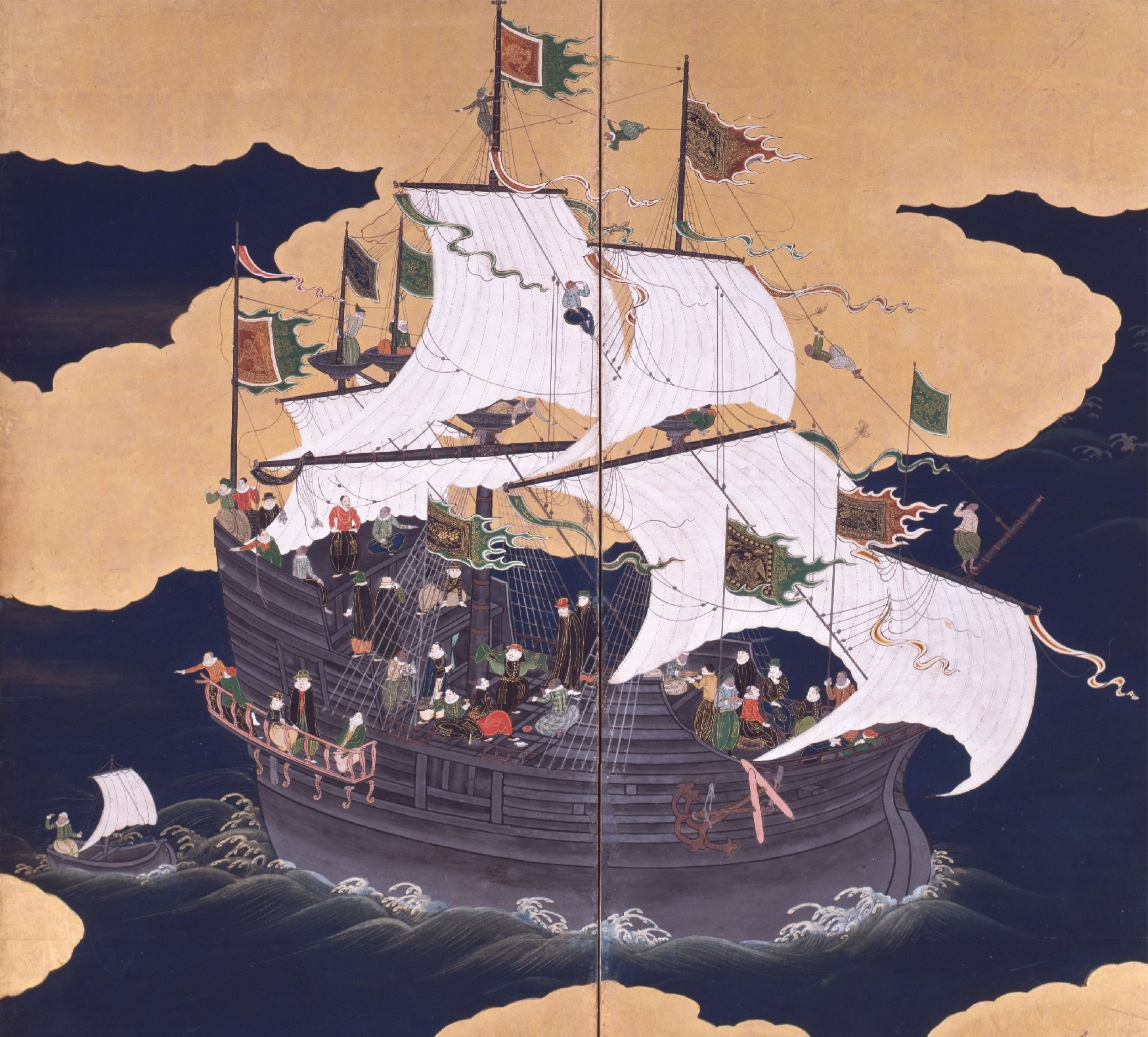
 opened the spice islands and Southeast Asia to the Dutch.
 created a transfer and deposit system and exchange allowed for trading of stocks instead of goods. This new commercial system was not without its costs. With the new imports of European crops to the New World and the need for heavy slave labor to work plantations, the results were incalculable.