In a five hundred year span, the Roman Empire managed to rise and fall in tandem, yet with the advent of highly credentialed political leaders and a vision to see the straighter path, the empire grew larger, and the people with it. Never had the western world been more organized and more united. In 100 A.D. you could travel on paved roads from Egypt to France using one currency and only a passport and by 200 A.D. there were over 50,000 miles of roads constructed by the Romans [6]. The vast Roman Empire mustered up the largest army the world had ever seen and its political exploits lay the platform for our founding fathers.

 In my opinion, Rome’s geographic location and the success of its military encouraged a concentration of politics in the capital, and many experts agree. The “practical engineering skill of the Romans furnished the Empire with the necessary arteries, the famous Roman roads, all radiating from the heart, carrying Roman civilization and life to the farthest limits of Europe” [8]. A combination of law and engineering, military force, and social legislation to combat political fragmentation along with exceptional leaders, allowed the long lived Roman Empire to become one of the greatest superpowers the world has ever seen.
Augustus was the Roman Empires’ first emperor and was the grandnephew of Julius Caesar and adopted son. Augustus went by the name “Octavian” and he brought an end to civil war and appeared to be restoring the republic, but in actuality, he ruled as an autocrat [3]. He was credited as heralding the start of the Roman Empire which would last for over four centuries. Augustus transformed Rome stating “he found a city of bricks and left it a city of marble” [3]. During his rule, we saw the creation of massive architecture and engineering feats, made possible by the discovery of cement to make concrete, and the laws of the land.
Roman law brought about the systematic principle for justification applicable to all people, including the immediately recognizable “innocent until proven guilty” [6]. Citizens could now defend themselves before a judge and the judge was expected to weigh evidence carefully before arriving at a decision. This principle of innocent until proven guilty has lived on in Western civilization. At this same time, Emperor Caracalla extended citizenship to every free person in the Empire in 212 A.D., making Roman law an even more significant factor in binding the empire together [6]. Roman accomplishments in law and engineering have inspired many other cultures. Although their achievements were improvements on older ideas, like the Mesoamerican cobble roads often lined with stones, they were more unique and inventive.
Roman roads were sometimes one foot thick and layered, constructed to fit the needs of the Roman army [7]. If there was an obstacle, they would engineer a solution to the issue. The public roads were accurately divided by mile-stones, and ran in a direct line from one city to another, without respect for the obstacles either of nature or private property” [2]. This highway system therefore linked the provinces, making resources accessible and convenient for marching armies. “It was easy to travel a hundred miles in a day on Roman roads” [2].
Aqueducts were constructed to keep the population supplied with water. Consequently, their firm foundations deterred any issues of transport for trade or army regiments. Aqueducts like the Pont du Gard carried water via a channel on top. Nimes received water from this aqueduct which was located thirty miles away, made possible by the aqueducts’ “gradual decline”, allowing gravity to transport the water from one source to its final destination. In Trier, “an aqueduct was built measuring 12 kilometers long, running down the Ruwer valley in the hills behind the city to serve its fountains and sewers” [4]. Citizens for miles had water flowing into every facet of their city, a variable system of arteries, bringing the lifeblood to the Roman Empire.
Nowhere in the world can the intimidating organization and ruthlessness of the Roman world be better seen in its army. Julius Caesar oversaw the Roman Empire’s army which Augustus maintained, with a stable number of legions to make up the army that would safeguard the empire [3]. Even during the crusades, seven hundred years after the tyrannical reign of Caesar, men still felt the centralizing influence of Rome [8]. The army needed to be a long-service unit and be capable of being deployed at any moment. The command of the Roman army was an executive political office therefore its undertaking could be risky business for unscrupulous generals.
Six months after the tyrannical Caesar was murdered, Augustus sought friendly relations with his generals and friends. After a great naval victory against Marc Antony and forces in 31 B.C., Augustus looked to reshape the Republican institutions of Rome [1]. In 27 B.C., the senate gave him the imperial title “Augustus” and he used this position to reform the army. Military campaigns were utilized to consolidate natural boundaries of the Roman Empire and increase revenues, thus leading to the increased size of the Roman Empire overall [1].
The Roman army was used to protect the Roman frontiers. In 14 A.D., it numbered twenty five legions but had increased to thirty by the time of Trajan [6]. Trajan was a capable leader, acceptable to the army. He established a fund to assist poor parents in raising and educating their children. Trajan “believed that such assistance would materially aid in creating a larger pool of young men in Italy eligible for military service” [6]. At the same time, however, the young men were granted an education in exchange for their duty. The Latin language and Roman institutions, ways of thought and conduct, were all provided in the army’s curriculum.
The five good emperors prior to Commodus, son of Marcus, had competently chosen successors to continue growing the Roman Empire. Nerva was chosen by the senate after the assassination of Domitian. His feeble age and mild disposition was respected, however he could never invoke terror or rule with authority, so he chose to adopt Trajan. Trajan had already commanded a powerful army in Germany so the senate immediately recognized him as a successor to the Roman Empire [2]. At the start of the second century, Trajan launched a series of campaigns which added the whole of Transylvanian Dacia to the Empire [4]. Consequently, Trajan built the highly recognizable forum in Rome to celebrate his victories. Hadrian, Trajan’s second cousin, succeeded Trajan and spent years inspecting the provinces and restoring the military forces to good order. He constructed public works throughout the provinces and in Rome including aqueducts, roads, bridges, and harbor facilities [6]. Hadrian adopted Antoninus Pius, who stayed in Rome and made greater use of the senate. Pius adopted Marcus Aurelius who acted in place of a “philosopher king” Plato envisioned) and Aurelius wrote “Meditations”, reflecting the ideal of stoic duty as a religious concept.
These “Five Good Emperors” as I’ve come to understand them, treated the classes with humility and veneration, collaborated with the senate on every accord, maintained peace in the Roman Empire, and supported domestic policies beneficial to the long lived Roman Empire. They were diplomatic and kind, widely praised for their extensive social and economic programs. They expanded the scope of imperial rule to areas untouched by imperial politics and made humaneness and generosity the themes of their reigns [5].
The Roman Empire was long-lived for many reasons, some of which being new laws and engineering, military potency, and social legislation to combat political fragmentation along with exceptional leaders. The Age of Augustus saw the beginnings of the Roman Empire along with grand feats of architecture and a systematic principle for justification applicable to all people and their rights as citizens. The army of Rome was a fighting machine, marching across the provinces on well paved, one foot thick roads, and all the while drawing the lines of new provinces and towns along the way. The army continued to evolve in the Roman Empire as new emperors with effective leadership and organizational skills adopted new reforms, key to the success of the army and the empire. The Five Good Emperors sustained a peaceful rule, treating citizens and the armament with civility and giving back to the Roman Empire. Their social organization led to the de-fragmenting of politics and their extensive building programs allowed Rome to live on for five hundred years.
REFERENCES CITED
In my opinion, Rome’s geographic location and the success of its military encouraged a concentration of politics in the capital, and many experts agree. The “practical engineering skill of the Romans furnished the Empire with the necessary arteries, the famous Roman roads, all radiating from the heart, carrying Roman civilization and life to the farthest limits of Europe” [8]. A combination of law and engineering, military force, and social legislation to combat political fragmentation along with exceptional leaders, allowed the long lived Roman Empire to become one of the greatest superpowers the world has ever seen.Augustus was the Roman Empires’ first emperor and was the grandnephew of Julius Caesar and adopted son. Augustus went by the name “Octavian” and he brought an end to civil war and appeared to be restoring the republic, but in actuality, he ruled as an autocrat [3]. He was credited as heralding the start of the Roman Empire which would last for over four centuries. Augustus transformed Rome stating “he found a city of bricks and left it a city of marble” [3]. During his rule, we saw the creation of massive architecture and engineering feats, made possible by the discovery of cement to make concrete, and the laws of the land.
Roman law brought about the systematic principle for justification applicable to all people, including the immediately recognizable “innocent until proven guilty” [6]. Citizens could now defend themselves before a judge and the judge was expected to weigh evidence carefully before arriving at a decision. This principle of innocent until proven guilty has lived on in Western civilization. At this same time, Emperor Caracalla extended citizenship to every free person in the Empire in 212 A.D., making Roman law an even more significant factor in binding the empire together [6]. Roman accomplishments in law and engineering have inspired many other cultures. Although their achievements were improvements on older ideas, like the Mesoamerican cobble roads often lined with stones, they were more unique and inventive.
Roman roads were sometimes one foot thick and layered, constructed to fit the needs of the Roman army [7]. If there was an obstacle, they would engineer a solution to the issue. The public roads were accurately divided by mile-stones, and ran in a direct line from one city to another, without respect for the obstacles either of nature or private property” [2]. This highway system therefore linked the provinces, making resources accessible and convenient for marching armies. “It was easy to travel a hundred miles in a day on Roman roads” [2].
Aqueducts were constructed to keep the population supplied with water. Consequently, their firm foundations deterred any issues of transport for trade or army regiments. Aqueducts like the Pont du Gard carried water via a channel on top. Nimes received water from this aqueduct which was located thirty miles away, made possible by the aqueducts’ “gradual decline”, allowing gravity to transport the water from one source to its final destination. In Trier, “an aqueduct was built measuring 12 kilometers long, running down the Ruwer valley in the hills behind the city to serve its fountains and sewers” [4]. Citizens for miles had water flowing into every facet of their city, a variable system of arteries, bringing the lifeblood to the Roman Empire.
Nowhere in the world can the intimidating organization and ruthlessness of the Roman world be better seen in its army. Julius Caesar oversaw the Roman Empire’s army which Augustus maintained, with a stable number of legions to make up the army that would safeguard the empire [3]. Even during the crusades, seven hundred years after the tyrannical reign of Caesar, men still felt the centralizing influence of Rome [8]. The army needed to be a long-service unit and be capable of being deployed at any moment. The command of the Roman army was an executive political office therefore its undertaking could be risky business for unscrupulous generals.
Six months after the tyrannical Caesar was murdered, Augustus sought friendly relations with his generals and friends. After a great naval victory against Marc Antony and forces in 31 B.C., Augustus looked to reshape the Republican institutions of Rome [1]. In 27 B.C., the senate gave him the imperial title “Augustus” and he used this position to reform the army. Military campaigns were utilized to consolidate natural boundaries of the Roman Empire and increase revenues, thus leading to the increased size of the Roman Empire overall [1].
The Roman army was used to protect the Roman frontiers. In 14 A.D., it numbered twenty five legions but had increased to thirty by the time of Trajan [6]. Trajan was a capable leader, acceptable to the army. He established a fund to assist poor parents in raising and educating their children. Trajan “believed that such assistance would materially aid in creating a larger pool of young men in Italy eligible for military service” [6]. At the same time, however, the young men were granted an education in exchange for their duty. The Latin language and Roman institutions, ways of thought and conduct, were all provided in the army’s curriculum.
The five good emperors prior to Commodus, son of Marcus, had competently chosen successors to continue growing the Roman Empire. Nerva was chosen by the senate after the assassination of Domitian. His feeble age and mild disposition was respected, however he could never invoke terror or rule with authority, so he chose to adopt Trajan. Trajan had already commanded a powerful army in Germany so the senate immediately recognized him as a successor to the Roman Empire [2]. At the start of the second century, Trajan launched a series of campaigns which added the whole of Transylvanian Dacia to the Empire [4]. Consequently, Trajan built the highly recognizable forum in Rome to celebrate his victories. Hadrian, Trajan’s second cousin, succeeded Trajan and spent years inspecting the provinces and restoring the military forces to good order. He constructed public works throughout the provinces and in Rome including aqueducts, roads, bridges, and harbor facilities [6]. Hadrian adopted Antoninus Pius, who stayed in Rome and made greater use of the senate. Pius adopted Marcus Aurelius who acted in place of a “philosopher king” Plato envisioned) and Aurelius wrote “Meditations”, reflecting the ideal of stoic duty as a religious concept.
These “Five Good Emperors” as I’ve come to understand them, treated the classes with humility and veneration, collaborated with the senate on every accord, maintained peace in the Roman Empire, and supported domestic policies beneficial to the long lived Roman Empire. They were diplomatic and kind, widely praised for their extensive social and economic programs. They expanded the scope of imperial rule to areas untouched by imperial politics and made humaneness and generosity the themes of their reigns [5].
The Roman Empire was long-lived for many reasons, some of which being new laws and engineering, military potency, and social legislation to combat political fragmentation along with exceptional leaders. The Age of Augustus saw the beginnings of the Roman Empire along with grand feats of architecture and a systematic principle for justification applicable to all people and their rights as citizens. The army of Rome was a fighting machine, marching across the provinces on well paved, one foot thick roads, and all the while drawing the lines of new provinces and towns along the way. The army continued to evolve in the Roman Empire as new emperors with effective leadership and organizational skills adopted new reforms, key to the success of the army and the empire. The Five Good Emperors sustained a peaceful rule, treating citizens and the armament with civility and giving back to the Roman Empire. Their social organization led to the de-fragmenting of politics and their extensive building programs allowed Rome to live on for five hundred years.
REFERENCES CITED
- Claridge, Amanda 2010 Rome: An Oxford Archaeological Guide. Oxford University Press, New York.
- Gibbon, Edward 1993 The Decline and Fall of the Roman Empire. Volume I. Alfred A. Knopf, Inc, New York.
- Hart-Davis, Adam (Editorial Consultant) 2010 History: The Definitive Visual Guide. DK Publishing, New York.
- Heather, Peter 2006 The Fall of the Roman Empire: A New History of Rome and the Barbarians. Oxford University Press, New York.
- Noble, Thomas F. X. 2008 Western Civilization: Beyond Boundaries. Fifth Edition. Houghton Mifflin Company, Boston.
- Spielvogel, Jackson J. 2009 Western Civilization, Volume 1: To 1715, Seventh Edition. Thomson Higher Education. Belmont.
- Trombold, Charles D. 1991 Ancient road networks and settlement hierarchies in the New World. Cambridge University Press, Cambridge.
- Young, Norwood 1901 The Story of Rome. J.M Dent & Co, London.


 , northern Italy, was constructed in 1580-1585 AD. The theater is one of three of the world’s oldest surviving Renaissance theaters and is the world’s oldest indoor theater.The Teatro Olimpico is the last work of renowned architect Andrea Palladio.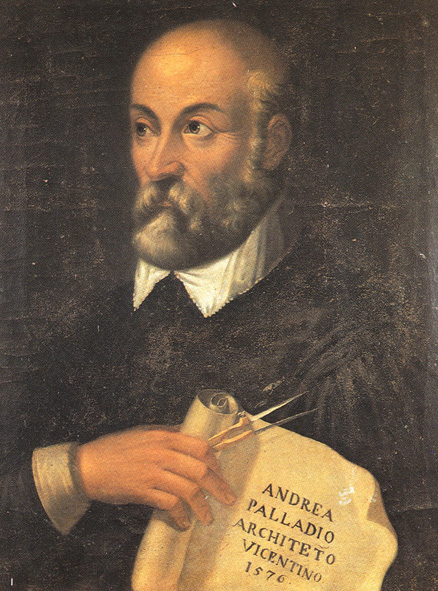
 in 1579, planning a classically inspired structure using sketches and drawings. Unfortunately, Palladio passed in August 1580, only six months after the construction of Teatro Olimpico started. The sketches and drawings Palladio scribed were used by Vincenzo Scamozzi, a Venetian architect that inherited Palladio’s project.
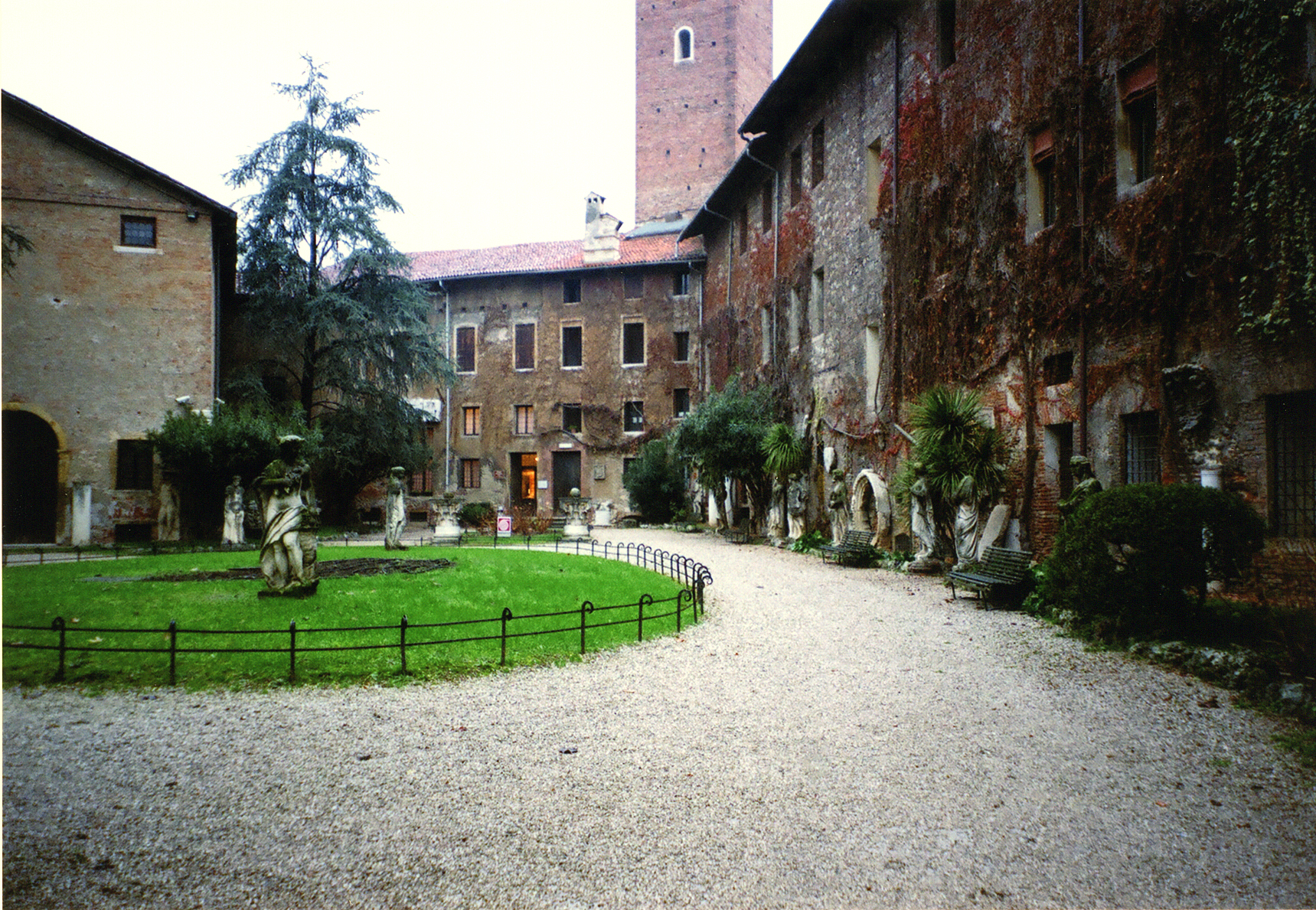


 was inaugurated with a performance of Sophocles’ Oedipus Rex. Sadly, only a few more performances took place after that, and then the theater was abandoned. A performance of Oedipus the King took place in 1997 at the Teatro Olimpic using the original lighting by Scamozzi.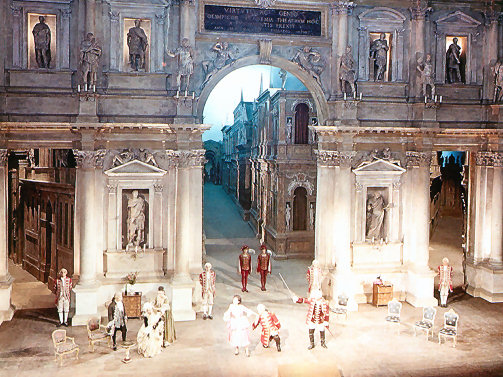
 and plays, but on a smaller scale for conservative reasons of course. Classical plays take place in the autumn and the festival II Suono dell’Olimpico in the spring. Every June, Palladio's Teatro Olimpico is used for the graduation ceremony for students from the American Department of Defense high school in Vicenza.


 Roman architecture
 is classical and hardly practical. It could be described as masculine in a sense, with a hint of solitude. No matter how we interpret the structure, we can all agree that it exhibited a solid foundation and architectural form.


