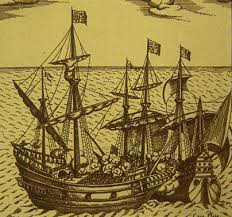
Ancient maritime inscriptions dating back to the early 1600s have been found on the coast of Madagascar by Flinders University researchers.
Dr Wendy van Duivenvoorde, a lecturer in maritime archaeology, returned from the world's fourth largest island last month with evidence of more than 40 inscriptions from Dutch sailing ships that once traversed the region en-route to South East Asia. The team of researchers, including Flinders archaeology research associate Mark Polzer and Jane Fyfe, a PhD candidate and rock art specialist from the University of Western Australia, discovered the messages carved into rock outcrops and boulders on an island in the Bay of Antongil, on the northeast corner of Madagascar.
While some of the inscriptions were originally found in the 1920s, researchers have always believed there were no more than a dozen "postal stones". Dr van Duivenvoorde said the inscriptions, which were carved into the rocks between 1601 and 1657, offered important insights into early Dutch seafaring to the Indies, and were a unique example of Dutch cultural heritage overseas.
Dr Wendy van Duivenvoorde, a lecturer in maritime archaeology, returned from the world's fourth largest island last month with evidence of more than 40 inscriptions from Dutch sailing ships that once traversed the region en-route to South East Asia. The team of researchers, including Flinders archaeology research associate Mark Polzer and Jane Fyfe, a PhD candidate and rock art specialist from the University of Western Australia, discovered the messages carved into rock outcrops and boulders on an island in the Bay of Antongil, on the northeast corner of Madagascar.
While some of the inscriptions were originally found in the 1920s, researchers have always believed there were no more than a dozen "postal stones". Dr van Duivenvoorde said the inscriptions, which were carved into the rocks between 1601 and 1657, offered important insights into early Dutch seafaring to the Indies, and were a unique example of Dutch cultural heritage overseas.


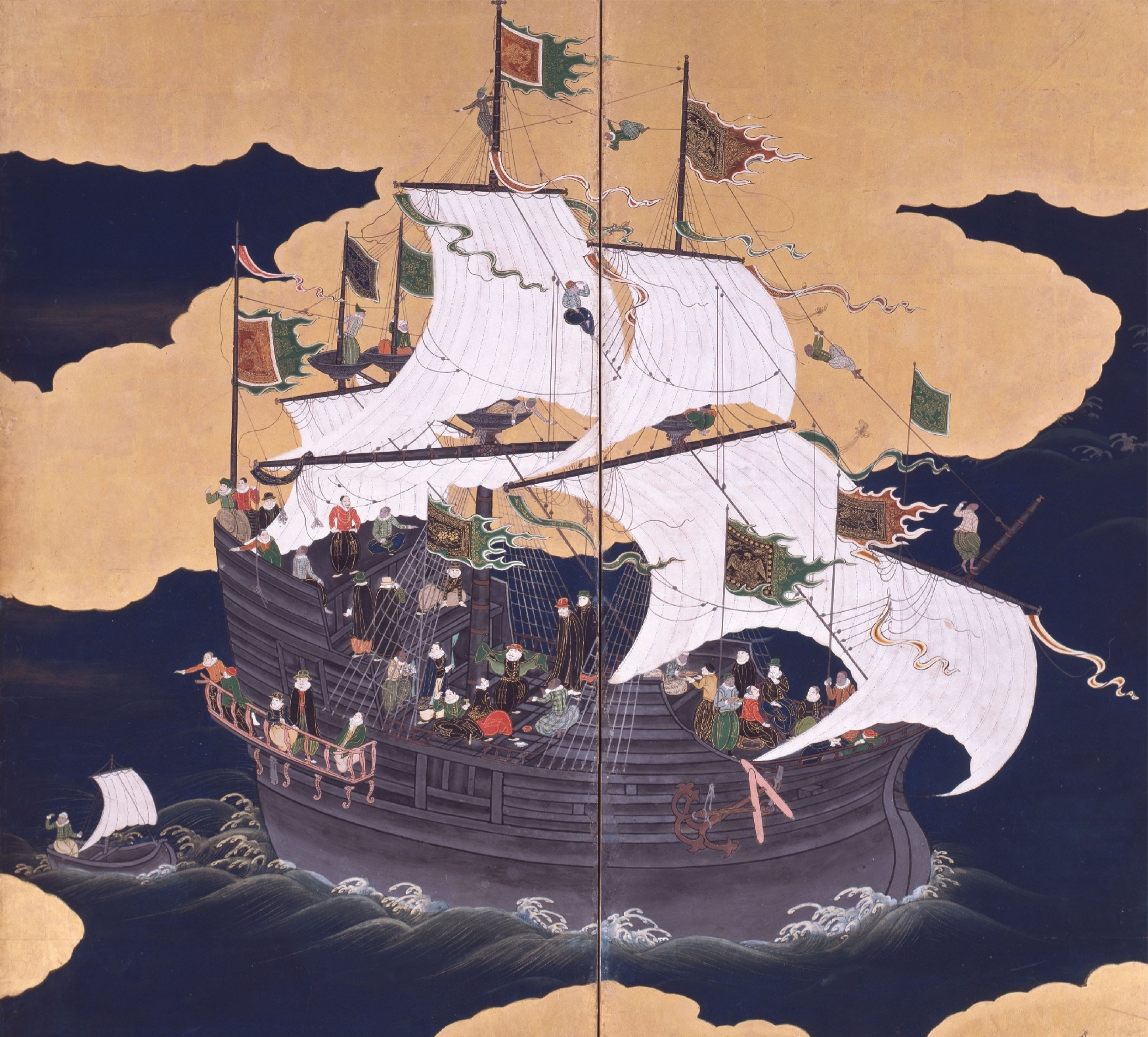
 opened the spice islands and Southeast Asia to the Dutch.
 created a transfer and deposit system and exchange allowed for trading of stocks instead of goods. This new commercial system was not without its costs. With the new imports of European crops to the New World and the need for heavy slave labor to work plantations, the results were incalculable.