The Arizona Game and Fish Department will get to show off the historic Horseshoe Ranch March 16 when the state hosts its annual Arizona Archaeology Expo there.
The free expo is the centerpiece of a long list of activities celebrating Arizona Archaeology and Heritage Month in March. It takes place at a different location each year.
Game and Fish purchased the 200-acre ranch, which is surrounded by the Agua Fria National Monument, to protect it from development.
"The Archaeology Expo provides a special opportunity for visitors to learn more about the importance of preserving archaeological sites and historic places, interesting facts about the history and prehistory of Arizona, and how the public can become stewards of the past," said Kris Dobschuetz of the State Historic Preservation Office, which is organizing Archaeology Month events.
The expo will feature tours of archaeology sites on the monument and ranch by the Friends of the Agua Fria National Monument, music, lectures, demonstrations of flint knapping and more than 30 exhibitors. Visitors can try their hand at throwing ancient spears and rabbit sticks, then investigate more than 200 tools used in previous centuries.
"I think it's going to be excellent public outreach, and we're excited to be co-hosting it," said Amanda James, Agua Fria Monument manager for the U.S. Bureau of Land Management. "And we're very fortunate to have our Friends group guide hikes and provide public outreach."
The expo runs from 9 a.m. to 4 p.m. It also features free prize raffles, and Boy Scouts and Girl Scouts can fulfill merit badge requirements.
To reach the ranch from Cordes Junction, drive south on Interstate 17 to the Bloody Basin exit and go east to the ranch. Cars are able to make the trip on the dirt road when it's dry.
This year's Archaeology Month theme is "Life on the Edge: Feast or Famine in Arizona's Past."
Nearly 100 events in Arizona throughout Archaeology Month include everything from films to demonstrations of prehistoric American Indian technologies to tours of ancient pueblos. See azstateparks.com for a full list of activities.
"One of the main goals of the month-long celebration is to provide opportunities for the public to appreciate the collective past and understand the importance of protecting these fragile and non-renewable resources," Dobschuetz said.
At the expo, people also can learn more about the future plans for the Horseshoe Ranch.
The Arizona Game and Fish Department bought the ranch, water rights and 70,000-acre grazing allotment rights for $3.3 million in 2011, using a federal grant and state lottery money. The Game and Fish Commission committed to managing the ranch for habitat conservation and public use.
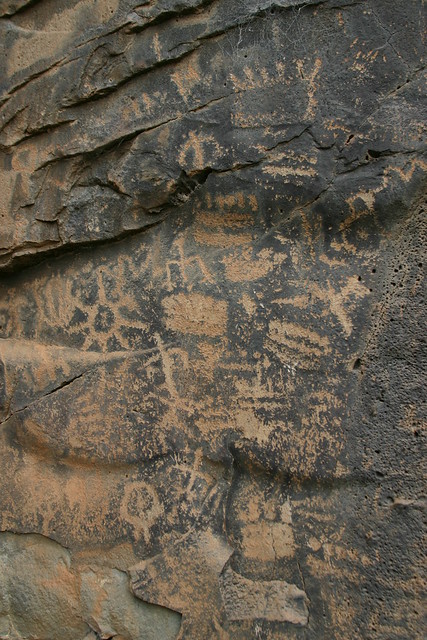
The ranch sits at the gateway to the Agua Fria National Monument. It features two homes, bunkhouses, a large barn, storage buildings, ancient rock art and a half-mile stretch of the Agua Fria River.
Game and Fish has been coordinating with the public, BLM and other agencies on the future uses of the Horseshoe Ranch and its grazing leases.
Game and Fish plans to start renovating structures at the ranch in March, spokesman Randy Babb said. The agency also is working on signs and on-site interpretive materials for the public. It could take a few years to get it all done, he said.
"We are keen to maintain the historic current aspect of the ranch along with providing opportunities for the public to learn about the area when they visit," Babb said.
Source: Dcourier
The free expo is the centerpiece of a long list of activities celebrating Arizona Archaeology and Heritage Month in March. It takes place at a different location each year.
Game and Fish purchased the 200-acre ranch, which is surrounded by the Agua Fria National Monument, to protect it from development.
"The Archaeology Expo provides a special opportunity for visitors to learn more about the importance of preserving archaeological sites and historic places, interesting facts about the history and prehistory of Arizona, and how the public can become stewards of the past," said Kris Dobschuetz of the State Historic Preservation Office, which is organizing Archaeology Month events.
The expo will feature tours of archaeology sites on the monument and ranch by the Friends of the Agua Fria National Monument, music, lectures, demonstrations of flint knapping and more than 30 exhibitors. Visitors can try their hand at throwing ancient spears and rabbit sticks, then investigate more than 200 tools used in previous centuries.
"I think it's going to be excellent public outreach, and we're excited to be co-hosting it," said Amanda James, Agua Fria Monument manager for the U.S. Bureau of Land Management. "And we're very fortunate to have our Friends group guide hikes and provide public outreach."
The expo runs from 9 a.m. to 4 p.m. It also features free prize raffles, and Boy Scouts and Girl Scouts can fulfill merit badge requirements.
To reach the ranch from Cordes Junction, drive south on Interstate 17 to the Bloody Basin exit and go east to the ranch. Cars are able to make the trip on the dirt road when it's dry.
This year's Archaeology Month theme is "Life on the Edge: Feast or Famine in Arizona's Past."
Nearly 100 events in Arizona throughout Archaeology Month include everything from films to demonstrations of prehistoric American Indian technologies to tours of ancient pueblos. See azstateparks.com for a full list of activities.
"One of the main goals of the month-long celebration is to provide opportunities for the public to appreciate the collective past and understand the importance of protecting these fragile and non-renewable resources," Dobschuetz said.
At the expo, people also can learn more about the future plans for the Horseshoe Ranch.
The Arizona Game and Fish Department bought the ranch, water rights and 70,000-acre grazing allotment rights for $3.3 million in 2011, using a federal grant and state lottery money. The Game and Fish Commission committed to managing the ranch for habitat conservation and public use.
The ranch sits at the gateway to the Agua Fria National Monument. It features two homes, bunkhouses, a large barn, storage buildings, ancient rock art and a half-mile stretch of the Agua Fria River.
Game and Fish has been coordinating with the public, BLM and other agencies on the future uses of the Horseshoe Ranch and its grazing leases.
Game and Fish plans to start renovating structures at the ranch in March, spokesman Randy Babb said. The agency also is working on signs and on-site interpretive materials for the public. It could take a few years to get it all done, he said.
"We are keen to maintain the historic current aspect of the ranch along with providing opportunities for the public to learn about the area when they visit," Babb said.
Source: Dcourier