• Ancient Digger teaches Archaeology and History to all Ages!

Saturday, July 24, 2010

Archaeological Finds in Turkey


Frommer's Turkey (Frommer's Complete)Canadian archeologists from the University of Toronto are restoration and interpreting an Assyrian tablet from Southern Turkey. The tablet is 43cm long and 23cm wide with 650-700 lines of writing on it and according to archeologist Timothy Harrison, the tablet, dating from about 670 BC, is a treaty between a powerful Assyrian king and his weaker vassal states, written in formal language similar to that used in the Old Testament. The find is just one of a large number of finds from the same site. Over 30,000 artifacts have been unearthed so far.

Read more about the latest archaeological finds in Turkey

Wednesday, July 1, 2009

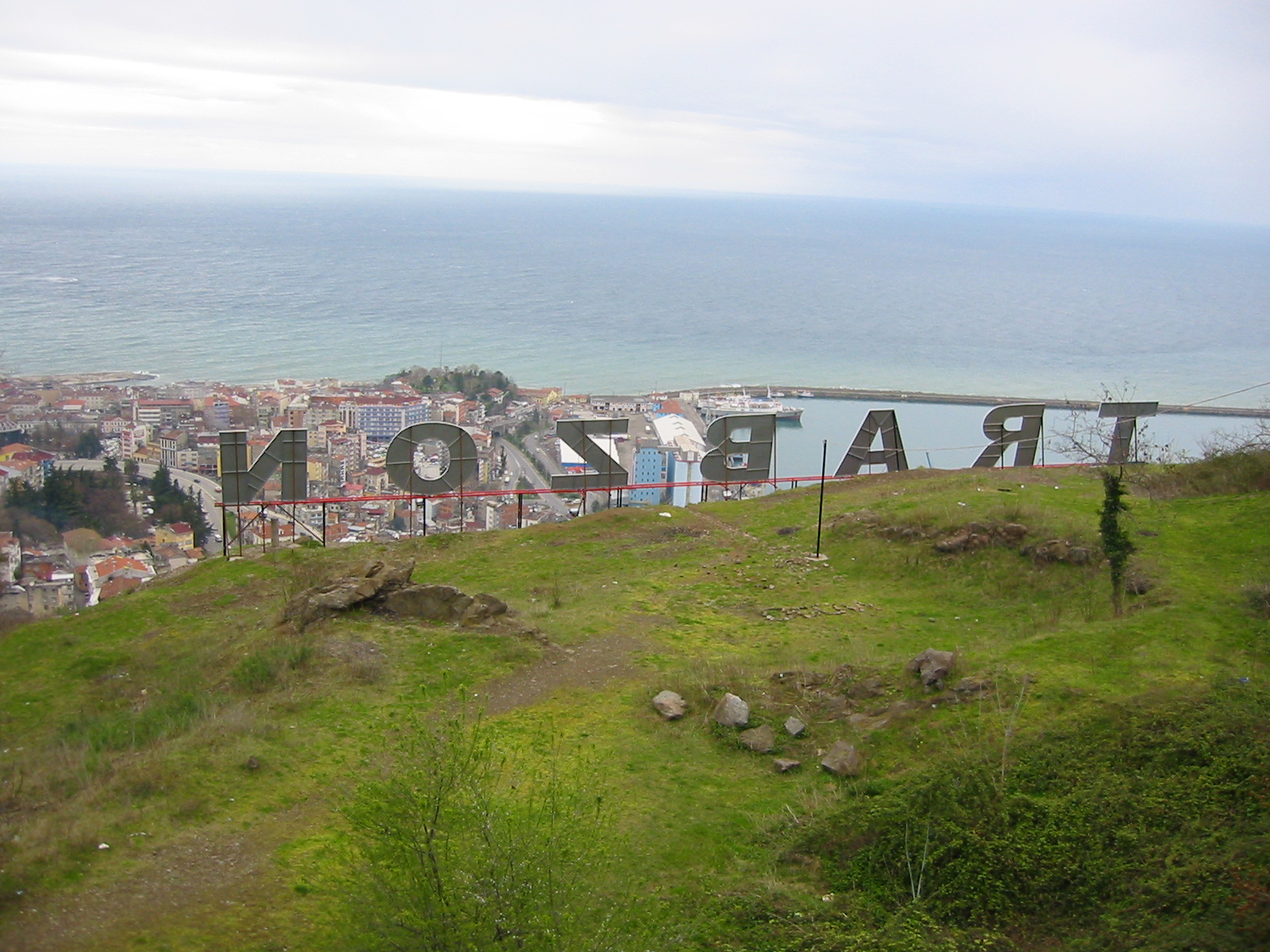
Trabzon Turkey


My research on Turkey has led me to the city of Trabzon, where commerce and trade was flourishing around 756 BC along the shores of the Black Sea.

Trabzon is located on the Black Sea coast of north-eastern Turkey and the capital of Trabzon Province. "Trabzon was a melting pot of religions, languages and culture for centuries and a trade gateway to Iran in the southeast, Russia and the Caucasus to the northeast."


The Venetian and Genoese merchants paid visits to the city and sold silk, linen and woolen fabric. During the Ottoman period, Trabzon, because of the importance of its port, became a focal point of trade to Iran, India and the Caucasus. Trabzon formed the basis of several states in its long history, and was the capital city of the Empire of Trebizond.


Like most Greek colonies, the city was a small commune of Greek life, and not an empire unto its own, in the later European sense of the word. Early banking (money-changing) activity is suggested occurring in the city according to a silver drachm coin from Trapezus in the British Museum, London.

Tuesday, June 9, 2009

The Dolmabahçe Palace in Turkey


I knew there was a reason that I loved this country. A new discovery for me, the Dolmabahçe Palace located on the European side of the Bosporus.

The palace served as the main administrative center of the Ottoman Empire from 1853 to 1922. Not only was the palace built with a price tag of five million Ottoman gold pounds, the equivalent of 35 tons of gold, but there are over 14 tons of gold in the form of gold leaf used to gild the ceilings of the palace.


The Dolmabahçe Palace was built in the style of "Baroque, Rococo and Neo-Classic traditions blended with Ottoman traditional art and culture to form a new approach. Functionally, on the other hand, it is appropriate to the traditional Ottoman palace life and also to the Turkish House features."

Like Ancient Digger? Why Not Follow Us?


Subscribe Via RSS Feed Follow Ancient Digger on Facebook Follow Ancient Digger on Twitter Subscribe to Ancient Digger Via Email

Get widget

Search


Ancient Digger Archaeology Copyright © 2015 LKart Theme is Designed by Lasantha