• Ancient Digger teaches Archaeology and History to all Ages!

Tuesday, September 7, 2010

Kid Archaeologists: A Quest For Sir Frances Drake's Plate


This video made me smile. At first, I thought I was watching the sequel to Goonies. A bunch of kids riding their bikes, on a quest to find the buried treasure.

Treasure Hunters, Jack and Tom, fight more than just one eyed Willie in this adventure, taking on sea monsters and villains, all in the name of history and Sir France's Drake's Plate.

Friday, September 11, 2009

The Lost Adams Diggings


The Lost Adams diggings is a subject that I personally had never heard of, so leave it to my favorite Flemish Author Patrick Bernauw, and friend, to teach me something new.

"The Lost Adams Diggings" is the name of a legendary lost gold mine somewhere in New Mexico, United States. In 1864, a teamster listening to the name of Adams (no first name known) and some prospectors were approached by the Mexican Indian "Gotch Ear" in Gila Bend, Arizona. The Indian offered to show them a canyon filled with gold. Together they rode to find the gold; they crossed a road to Fort Wingate where they could go back for supplies when needed, and arrived only ten days later at a canyon with a blind entrance. They followed for some time a Z-shaped narrow trail and then found a creek rich with gold.

Read more about the Lost Adams Diggings

Wednesday, July 1, 2009

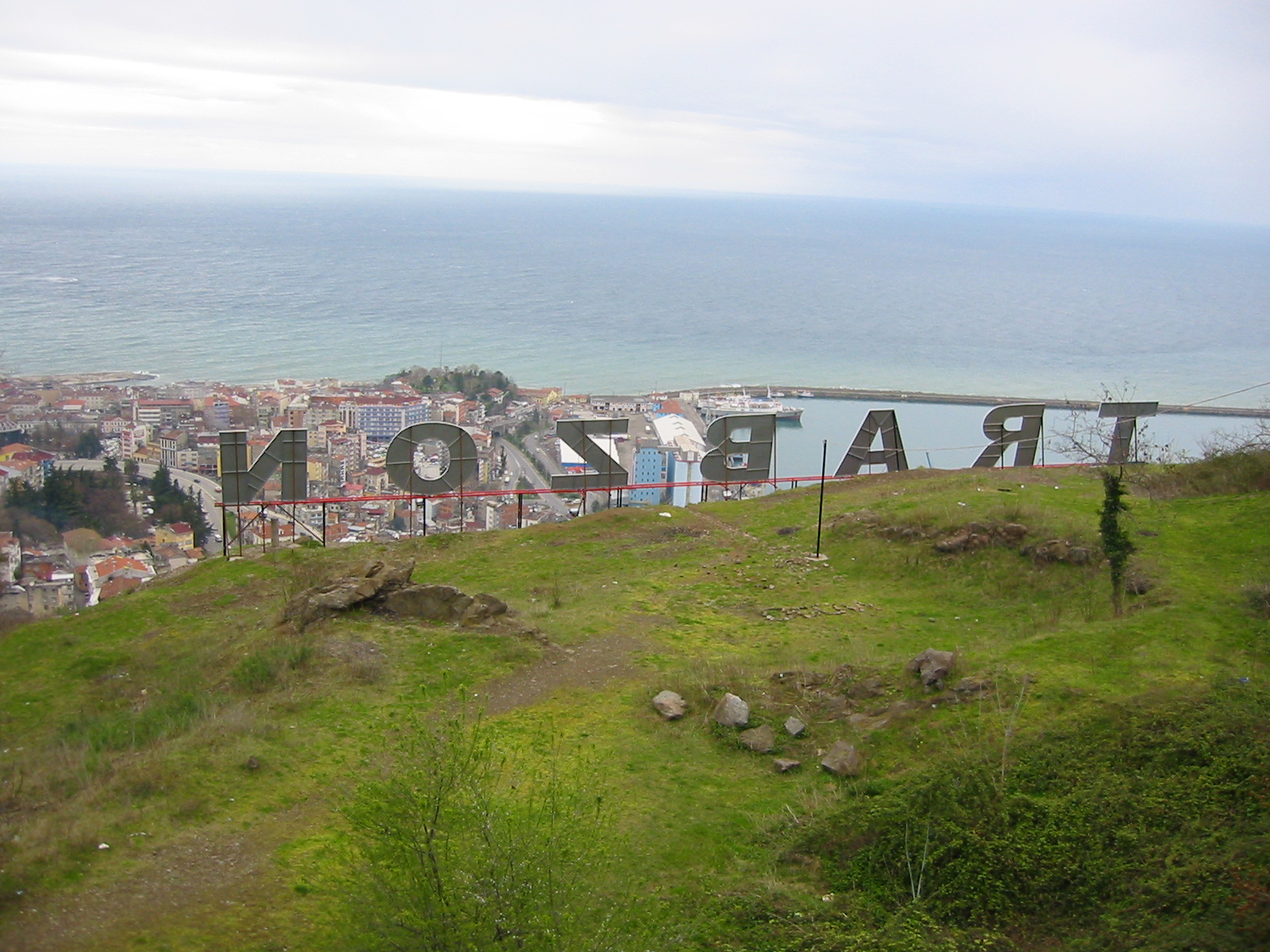
Trabzon Turkey


My research on Turkey has led me to the city of Trabzon, where commerce and trade was flourishing around 756 BC along the shores of the Black Sea.

Trabzon is located on the Black Sea coast of north-eastern Turkey and the capital of Trabzon Province. "Trabzon was a melting pot of religions, languages and culture for centuries and a trade gateway to Iran in the southeast, Russia and the Caucasus to the northeast."


The Venetian and Genoese merchants paid visits to the city and sold silk, linen and woolen fabric. During the Ottoman period, Trabzon, because of the importance of its port, became a focal point of trade to Iran, India and the Caucasus. Trabzon formed the basis of several states in its long history, and was the capital city of the Empire of Trebizond.


Like most Greek colonies, the city was a small commune of Greek life, and not an empire unto its own, in the later European sense of the word. Early banking (money-changing) activity is suggested occurring in the city according to a silver drachm coin from Trapezus in the British Museum, London.

Thursday, March 5, 2009

Famous Bactrian Gold From Afghanistan


Most of what we know of Afghanistan's countryside is filled with images of war and strife. The pictures of our soldiers dying in a country that years ago used US resources to minister to Afghan mujahedeen's which ultimately helped defeat the Soviet Union's military occupation of the nation. Amongst all of the confusion, there was a treasure virtually unknown to the world.

The lost Bactrian Gold treasure represents Afghanistan's cultural heritage. The treasure dates back to 2200 BC and includes archeological pieces from Rome, China, India, Greece, Egypt, and ancient Afghanistan.

Watch as National Geographic unfolds this unforeseen treasure:

Bactrian gold


One of the most significant finds was the famed Bactrian gold pieces. Bactrian gold is a treasure hoard that lay resting under the "Hill of Gold" for over 2,000 years until Soviet archeologists exposed it shortly before the 1979 invasion.


There were well over "20,600 gold ornaments that was found in six burial mounds near Sheberghan, in the northern Afghanistan province of Jowzjan".


Image Source

The treasure of the royal burial Tillia tepe is accredited to 1st century BCE Sakas in Bactria. A new museum in Kabul is being designed where the Bactrian gold pieces discovered will eventually be kept.


Image Source

Image Source


Additional finds included three classical ivory statues, each nearly three feet (90 centimeters) tall, representing historic water goddesses and a collection of Buddhist terra-cotta sculptures.

Gilded silver ceremonial plate.


Image Source

Gold clasps with turquoise and mother-of-pearl inlay


Kabul Museum


Kabul Museum is the national museum of Afghanistan and at one time its collection was one of the most important in Central Asia; housing over 100,000 items "spanning 50,000 years of Afghan cultural history-prehistoric, classical, Buddhist Hindu, and Islamic."

In 1994, the museum suffered a devastating loss as it was hit by rocket fire and largely destroyed while being used as a military base. In 1996, over 80% of the inventory within the museum was looted by the Taliban when they took over Kabul. "The remaining materials were at that time temporarily moved to the Kabul Hotel."

In 2003, the international population invested US$350,000 to refurbish the building. It was re-inaugurated on September 29, 2004. It will be an exceedingly monumental moment when the Bactrian Gold is settled in the newly constructed museum in Kabul. The pieces will finally have found their way home.

Like Ancient Digger? Why Not Follow Us?


Subscribe Via RSS Feed Follow Ancient Digger on Facebook Follow Ancient Digger on Twitter Subscribe to Ancient Digger Via Email

Get widget

Search


Ancient Digger Archaeology Copyright © 2015 LKart Theme is Designed by Lasantha