Although Kitty Hawk North Carolina would become home to the first manned flight of human kind, the Germans would take these physical parameters into a whole new realm. As the skies offered another battlefield in which to kill and mame, countries that did not embrace this new arena were quickly left behind. During the first world war, the Germans would gain an early edge over most of the Allies as concerned with WWI aircraft. Planes used during World War I became designed around the many German models, which would help the Allies win many later battles of the global war. There are many WW1 planes that were important during the war although some played far greater roles than others.
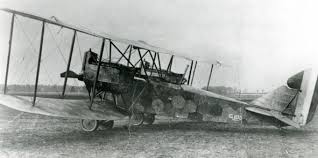
One of the first planes to enter into actual combat during the first world war was the AEG C.IV Fighter plane. This small plane was excellent in the air and provided pilots with a lightweight aircraft that was easily maneuverable during dogfights. This plane was outfitted with an inline engine produced by Mercedes that was capable of pushing 160 horsepower and generating speeds of over 95 miles per hour. This quick and small aircraft was also pretty quiet, which added an increased element of surprise to ground forces that were still unfamiliar with aircraft weaponry. The plane was equipped with two machine guns, one for the rear passenger, and a small gun outfitted to the side of the pilot's seat. Another amazing invention was a synchronized gear, which was also created by the Germans. The synchronized gear would allow the machine gun to be fired through the revolutions of the propeller without damage. At the end of its time, the AEG C.IV Fighter would have over 600 planes contributed to WWI aircraft .
.

The US Navy needed a boat to train its servicemen in the reconnaissance and fighting that took place over the world's many oceans. Out of the many planes used during World War I, the Aeromarine 40 Flying Boat was one of the most unique. The body of the plane was fashioned in a similar design to that of a boat, while the propeller was fitted on the top wing facing toward the back of the plane. The aircraft would be used to train unfamiliar sailors and servicemen who wanted to be a part of the air battles beginning to take place throughout the world. The US Navy would contract a number of these aircrafts although only 40 would be used. The Curtiss engine would provide up to four hours over the water without the need of refueling.
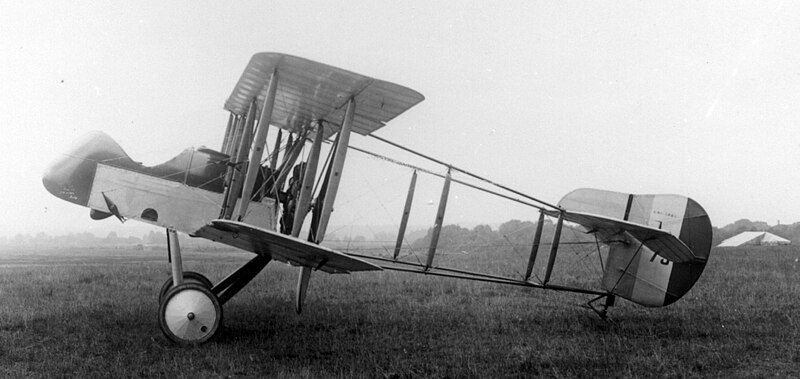
One of the major services provided by an air force during World War I were scout missions. There were many planes used during WWI that were designed solely for this purpose. However, one of the most popular was the Airco series designed by Geoffrey de Havilland. This small but useful plane flew many missions over Axis territory to discover positions and enemy movement. This plane was designed by Allies before the discovery of synchronization. For this reason the propeller was rear mounted in order to allow for defense in case the need should arise. This plane would have a number of up-grades in the form of complete overhauls. There would be four more designs that would succeed the DH 2.
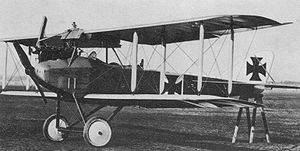
Out of the many WW1 planes used for scouting, the Albatross C.I was by far one of the most popular. The Albatross C.I was an upgraded design manufactured by the Germans. These were the most maneuverable planes used during World War I and was said to have taught many young Germans how to fly. WW1 aircraft fighting techniques would be changed with the invention of the synchronization gear, which would turn this seemingly harmless plane into a WWI aircraft to be reckoned with. The Albatross line also incorporated water-cooled Mercedes engines and could stay in the air for two hours. The Albatross line of planes would be continually modified for many years to come with over ten upgraded designs that would eventually be manufactured.

As with most planes used during World War I, the Armstrong Whitworth FK 8 was originally created as a scout plane. It was equipped with a 7.62 mm machine gun in the front, which proved to be very useful in the event that the scout plane was spotted by patrolling enemy aircraft. WW1 planes similar to the Armstrong would be scrapped although the Armstrong series would be modified to include bombing runs during both the day and night. The Armstrong was one of the few World War I planes that would continue to be produced up until the end of the war.

In 1917, the French would produce their most versatile plane of World War I. The Breguiet Bre would prove to be worthy of the skies with a Renault engine that would eventually make this plane a legend. The Breguit would continue its production well past the end of the war. The total number of this aircraft was somewhere above 7500 models, which made it one of the most mass produced WWI planes. This plane would also lend itself to many modifications including a smaller fighter plane as well as what was referred to as the first air ambulance.

To combat the fighting power of the German Fokker, the English designed a plane that would compete both in speed and durability. The Sopwith Pup would become one of the leading fighter planes during World War I, and some people would even hail it as a hero in itself. The Sopwith Pup would prove to be the most useful airplane the Allies would have during World War I as it not only functioned as a highly stable fighter but was also used on bombing runs as well. This little fighter was equipped with a single 80 horsepower engine but was made from lightweight materials, which allowed it so speed through the air. The Sopwith Pup was also the first airplane to land on a moving ship.
More related articles:
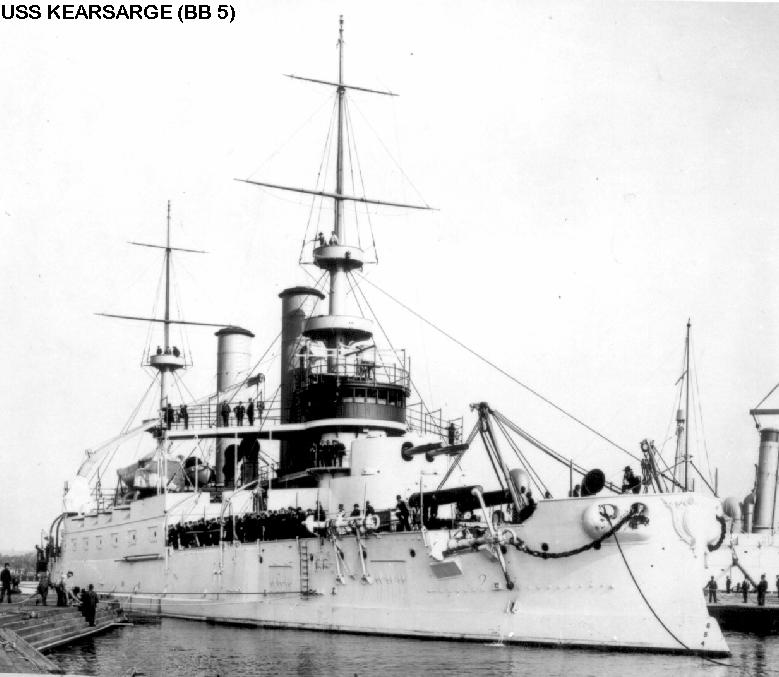 The world’s oceans, seas, rivers, and lakes hold some of war’s most hidden and well kept secrets. From the time the Vikings sailed their small but powerful craft from the fjords
  of Scandinavia to the mighty aircraft carriers and battleships used during World War I by the United States, boats have helped champion the freedom of nations across the globe. The Spanish Armada and the Queen’s Fleet would bring about change in the depths of the Atlantic by arming their hulls with mortar shattering cannons and crews with muskets. However, one of the largest changes in maritime warfare came with the invention of the large aircraft carriers and WWI battleships equipped with the capability of long distance shelling during the early 1900s.
 In 1620, Cornelius Drebbel
 , a Dutch inventor working for the English Royal Navy, tested the first submarine on the Thames River in England. Between 1620 and 1624 Drebbel successfully built and tested two more submarines, each one bigger than the last.
 Read more: What happened to the U-boats after World War II? Part II
Picture sources
AEG C IV Fighter
Aeromarine 40 Flying Boat
Armstrong Whitworth FK 8
Breguet Bre 14
Author: Owner Lauren Axelrod
North Carolina would become home to the first manned flight of human kind, the Germans would take these physical parameters into a whole new realm. As the skies offered another battlefield in which to kill and mame, countries that did not embrace this new arena were quickly left behind. During the first world war, the Germans would gain an early edge over most of the Allies as concerned with WWI aircraft. Planes used during World War I became designed around the many German models, which would help the Allies win many later battles of the global war. There are many WW1 planes that were important during the war although some played far greater roles than others. AEG C IV Fighter
One of the first planes to enter into actual combat during the first world war was the AEG C.IV Fighter plane. This small plane was excellent in the air and provided pilots with a lightweight aircraft that was easily maneuverable during dogfights. This plane was outfitted with an inline engine produced by Mercedes that was capable of pushing 160 horsepower and generating speeds of over 95 miles per hour. This quick and small aircraft was also pretty quiet, which added an increased element of surprise to ground forces that were still unfamiliar with aircraft weaponry. The plane was equipped with two machine guns, one for the rear passenger, and a small gun outfitted to the side of the pilot's seat. Another amazing invention was a synchronized gear, which was also created by the Germans. The synchronized gear would allow the machine gun to be fired through the revolutions of the propeller without damage. At the end of its time, the AEG C.IV Fighter would have over 600 planes contributed to WWI aircraft
. Aeromarine 40 Flying Boat
The US Navy needed a boat to train its servicemen in the reconnaissance and fighting that took place over the world's many oceans. Out of the many planes used during World War I, the Aeromarine 40 Flying Boat was one of the most unique. The body of the plane was fashioned in a similar design to that of a boat, while the propeller was fitted on the top wing facing toward the back of the plane. The aircraft would be used to train unfamiliar sailors and servicemen who wanted to be a part of the air battles beginning to take place throughout the world. The US Navy would contract a number of these aircrafts although only 40 would be used. The Curtiss engine would provide up to four hours over the water without the need of refueling.
Airco DH 2 Biplane
One of the major services provided by an air force during World War I were scout missions. There were many planes used during WWI that were designed solely for this purpose. However, one of the most popular was the Airco series designed by Geoffrey de Havilland. This small but useful plane flew many missions over Axis territory to discover positions and enemy movement. This plane was designed by Allies before the discovery of synchronization. For this reason the propeller was rear mounted in order to allow for defense in case the need should arise. This plane would have a number of up-grades in the form of complete overhauls. There would be four more designs that would succeed the DH 2.
Albatross C I Biplane
Out of the many WW1 planes used for scouting, the Albatross C.I was by far one of the most popular. The Albatross C.I was an upgraded design manufactured by the Germans. These were the most maneuverable planes used during World War I and was said to have taught many young Germans how to fly. WW1 aircraft fighting techniques would be changed with the invention of the synchronization gear, which would turn this seemingly harmless plane into a WWI aircraft to be reckoned with. The Albatross line also incorporated water-cooled Mercedes engines and could stay in the air for two hours. The Albatross line of planes would be continually modified for many years to come with over ten upgraded designs that would eventually be manufactured.
Armstrong Whitworth FK 8
As with most planes used during World War I, the Armstrong Whitworth FK 8 was originally created as a scout plane. It was equipped with a 7.62 mm machine gun in the front, which proved to be very useful in the event that the scout plane was spotted by patrolling enemy aircraft. WW1 planes similar to the Armstrong would be scrapped although the Armstrong series would be modified to include bombing runs during both the day and night. The Armstrong was one of the few World War I planes that would continue to be produced up until the end of the war.
Breguet Bre 14
In 1917, the French would produce their most versatile plane of World War I. The Breguiet Bre would prove to be worthy of the skies with a Renault engine that would eventually make this plane a legend. The Breguit would continue its production well past the end of the war. The total number of this aircraft was somewhere above 7500 models, which made it one of the most mass produced WWI planes. This plane would also lend itself to many modifications including a smaller fighter plane as well as what was referred to as the first air ambulance.
Sopwith Pup
To combat the fighting power of the German Fokker, the English designed a plane that would compete both in speed and durability. The Sopwith Pup would become one of the leading fighter planes during World War I, and some people would even hail it as a hero in itself. The Sopwith Pup would prove to be the most useful airplane the Allies would have during World War I as it not only functioned as a highly stable fighter but was also used on bombing runs as well. This little fighter was equipped with a single 80 horsepower engine but was made from lightweight materials, which allowed it so speed through the air. The Sopwith Pup was also the first airplane to land on a moving ship.
More related articles:
- Early years of Flight
- Schneider Schulgleiter SG 38
- Halberstadt CL IV
- Nieuport 28
- Shoo Shoo Baby B17G
of Scandinavia to the mighty aircraft carriers and battleships used during World War I by the United States, boats have helped champion the freedom of nations across the globe. The Spanish Armada and the Queen’s Fleet would bring about change in the depths of the Atlantic by arming their hulls with mortar shattering cannons and crews with muskets. However, one of the largest changes in maritime warfare came with the invention of the large aircraft carriers and WWI battleships equipped with the capability of long distance shelling during the early 1900s. Also check out
 , a Dutch inventor working for the English Royal Navy, tested the first submarine on the Thames River in England. Between 1620 and 1624 Drebbel successfully built and tested two more submarines, each one bigger than the last.
 Picture sources
AEG C IV Fighter
Aeromarine 40 Flying Boat
Armstrong Whitworth FK 8
Breguet Bre 14
Author: Owner Lauren Axelrod


 This archived film, "The Memphis Belle," directed by William Wyler is a tribute to the crew of the United States Air Force's 324th Squadron, 91st Heavy Bomber Unit,an airplane more familiarly known as the
  .
.


