Libya has loomed in American minds for a generation. Colonel Qaddafi's erratic flirting with terror organizations left him a marked man by the US government, long before the Libyan people finally meted out their own justice. But that tangling-together of US interests, with a Libya eagerly testing its power, goes back much further than the 'mad dog' and 'line of death' insults first hurled back in 1986. In fact, names of Tripoli and Derna are etched deep into the military history of the United States during the Barbary Wars. Both the US Navy and the US Marines owe their genesis to the Libyan pirates who called the Libyan coast home some two hundred years ago.
Back in the 18th century, the Barbary pirates were the scourge of the seas off the coast of Africa and the Mediterranean. But this was no 'Pirates of the Caribbean' privateering. It was piracy as an instrument of state, The countries of Berber North African – the fiefdoms of Morocco, Tunisia, Algiers and Tripoli – were using their fleets to siphon money into the coffers of their rulers. And there was a long and profitable history from the kidnapping of merchant ship crews, and extracting ransom – a practice that various European powers had long acquiesced to. But the young United States nation was not about to play ball.
In the years immediately after the War of Independence, the nascent US state was weak. Trade was important to help rebuild the war-worn economy. But Americans ships, plying their trade across the Atlantic, quickly fell foul to the Barbary pirates. With no navy to speak of, the United States was forced to pay crippling tributes – sometimes amounting to more than a million US dollars. It was that humiliating drain on the American nation that spurred the setting up of the US Navy in 1794.
And in 1801, with Thomas Jefferson at the helm as newly-elected President, the US government decided it had had enough. It flatly refused the demands of the Pasha of Tripoli, Yusuf Karamanli, for a tribute of $225,000. Instead a fleet of 6 modern warships was dispatched to deal with the Barbary problem during the Barbary Wars. The Libyan pirates were to be blockaded. So the first gunpowder smoke wafted across the waves near Tripoli on August 1 1801, as the USS Enterprise confronted the Tripoli, a Tripolitan corsair: the First Barbary War had begun.
This first skirmish during the Barbary Wars proved a good omen for the US Navy, which was involved in its first-ever engagement. The 12 guns of the USS Enterprise were handled far more adeptly than the Tripoli's 14 guns, and the Barbary vessel eventually holed, and defeated decisively. While this was only a small engagement, the dramatic victory-in-arms galvanized the American public, and its Navy. The Libyan corsair fleet, by contrast, had its morale knocked sideways. But this was only the start of the naval skirmishing, which was to last several years. Final victory would only come when US Marines stepped ashore – again for their first-ever action.
In 1805, concerned at the way the naval blockade was dragging on during the Barbary Wars, the US hatched a deal with Hamet Karamanli, the legitimate ruler of Tripoli who had been displaced by the current Pasha – his younger brother Yussif Karamanli. Hamet would be re-installed on the Tripolitan throne, the US said, if he gave his blessing to an attack on Libya from Egypt. A mixed bag of Berbers, Arabs and mercenaries from Greece was then put together for the assault, which was to be led by the US Marines.
In April 1805, the US-led force cut through Libya from Egypt, to the city of Derna. While the US Navy pounded Derna's defenses, a three-pronged assault probed, and then took the city. In another dramatic first, the US Marines had taken part in their first land battle outside of the US – and a Marine legend was born. Countless generations of Marines-to-come were now destined to holler out ′to the shores of Tripoli' in the now-fabled Marines' Hymn.
But while the US Navy and US Marines were bathed in glory, double-dealings were at hand. The threat of a US march to Tripoli bought a change of outlook from the Pasha – and a betrayal of erstwhile allies by the American State Department. A peace treaty was signed with Yassif Karamanli, and his brother unceremoniously dumped. The mercenaries were never paid.
This wasn't the end of the rumbling conflict with the Barbary states – the war was to flare up again after renewed attacks on merchant vessels, this time by Algerians. But the first round of this Libyan-US discourse was to prove to be the forging of the American military, and of its ability to project its power around the world.
A superpower was stirring.
This is a guest post provided by Chee Seng, a blogger who writes about freeware reviews at Bestfreeonline.net/
Back in the 18th century, the Barbary pirates were the scourge of the seas off the coast of Africa and the Mediterranean. But this was no 'Pirates of the Caribbean' privateering. It was piracy as an instrument of state, The countries of Berber North African – the fiefdoms of Morocco, Tunisia, Algiers and Tripoli – were using their fleets to siphon money into the coffers of their rulers. And there was a long and profitable history from the kidnapping of merchant ship crews, and extracting ransom – a practice that various European powers had long acquiesced to. But the young United States nation was not about to play ball.
In the years immediately after the War of Independence, the nascent US state was weak. Trade was important to help rebuild the war-worn economy. But Americans ships, plying their trade across the Atlantic, quickly fell foul to the Barbary pirates. With no navy to speak of, the United States was forced to pay crippling tributes – sometimes amounting to more than a million US dollars. It was that humiliating drain on the American nation that spurred the setting up of the US Navy in 1794.
And in 1801, with Thomas Jefferson at the helm as newly-elected President, the US government decided it had had enough. It flatly refused the demands of the Pasha of Tripoli, Yusuf Karamanli, for a tribute of $225,000. Instead a fleet of 6 modern warships was dispatched to deal with the Barbary problem during the Barbary Wars. The Libyan pirates were to be blockaded. So the first gunpowder smoke wafted across the waves near Tripoli on August 1 1801, as the USS Enterprise confronted the Tripoli, a Tripolitan corsair: the First Barbary War had begun.
This first skirmish during the Barbary Wars proved a good omen for the US Navy, which was involved in its first-ever engagement. The 12 guns of the USS Enterprise were handled far more adeptly than the Tripoli's 14 guns, and the Barbary vessel eventually holed, and defeated decisively. While this was only a small engagement, the dramatic victory-in-arms galvanized the American public, and its Navy. The Libyan corsair fleet, by contrast, had its morale knocked sideways. But this was only the start of the naval skirmishing, which was to last several years. Final victory would only come when US Marines stepped ashore – again for their first-ever action.
In 1805, concerned at the way the naval blockade was dragging on during the Barbary Wars, the US hatched a deal with Hamet Karamanli, the legitimate ruler of Tripoli who had been displaced by the current Pasha – his younger brother Yussif Karamanli. Hamet would be re-installed on the Tripolitan throne, the US said, if he gave his blessing to an attack on Libya from Egypt. A mixed bag of Berbers, Arabs and mercenaries from Greece was then put together for the assault, which was to be led by the US Marines.
In April 1805, the US-led force cut through Libya from Egypt, to the city of Derna. While the US Navy pounded Derna's defenses, a three-pronged assault probed, and then took the city. In another dramatic first, the US Marines had taken part in their first land battle outside of the US – and a Marine legend was born. Countless generations of Marines-to-come were now destined to holler out ′to the shores of Tripoli' in the now-fabled Marines' Hymn.
But while the US Navy and US Marines were bathed in glory, double-dealings were at hand. The threat of a US march to Tripoli bought a change of outlook from the Pasha – and a betrayal of erstwhile allies by the American State Department. A peace treaty was signed with Yassif Karamanli, and his brother unceremoniously dumped. The mercenaries were never paid.
This wasn't the end of the rumbling conflict with the Barbary states – the war was to flare up again after renewed attacks on merchant vessels, this time by Algerians. But the first round of this Libyan-US discourse was to prove to be the forging of the American military, and of its ability to project its power around the world.
A superpower was stirring.
This is a guest post provided by Chee Seng, a blogger who writes about freeware reviews at Bestfreeonline.net/


 of Scandinavia to the mighty aircraft carriers and battleships
  The USS Arizona would gain its fame early in World War II although it served an important mission World War I naval combat as well. Construction would begin on this Pennsylvania class warship in March of 1913 and would take two years until its completion. The Brooklyn Navy Yard would launch the boat in June of 1915 to begin training missions in and around the East Coast. However, like many other United States battleships, the Arizona would undergo a complete overhaul to be commissioned as one of the naval ships used during World War I. The battleship spent most of its time during the war patrolling the eastern coast from New York south to Florida. Due to the shortage of oil across Europe and most other portions of the world, the oil burning Arizona did not venture into European areas of the Atlantic.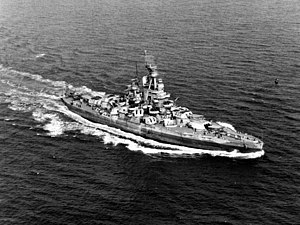


 North Carolina would become home to the first manned flight of human kind, the Germans would take these physical parameters into a whole new realm. As the skies offered another battlefield in which to kill and mame, countries that did not embrace this new arena were quickly left behind. During the first world war, the Germans would gain an early edge over most of the Allies as concerned with WWI aircraft. Planes used during World War I became designed around the many German models, which would help the Allies win many later battles of the global war. There are many WWI planes that were important during the war although some played far greater roles than others. Read more:
 , a Dutch inventor working for the English Royal Navy, tested the first submarine on the Thames River in England. Between 1620 and 1624 Drebbel successfully built and tested two more submarines, each one bigger than the last.