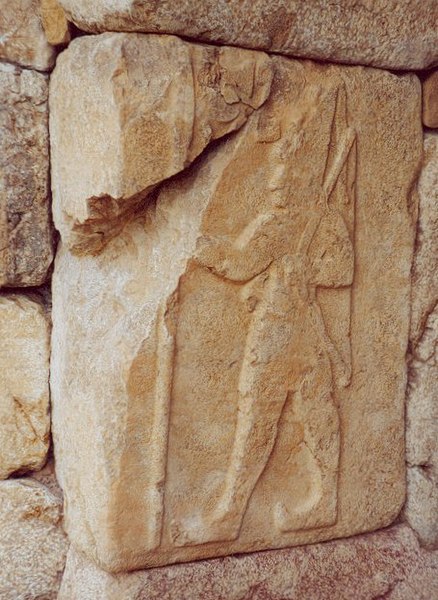
The city of Troy. Some question whether this city was real at all, like the fabled city of Atlantis. The city of Troy is more than real, and now Turkey is taking the steps to share the priceless treasures of Troy from countries scattered around Europe by creating a museum to house the artifacts in the ancient city in the country’s northwest. Construction of the museum began just last year, and works will be accelerated for the repatriation of the Troy treasures from some European countries and Russia.
Located in Tevfikiye village, the Troy Museum is set to be finished by the end of next year. The ancient city receives more than 500,000 visitors every year.
“With a new $25 million tender that will be made in the coming days, we will focus on the ‘fine work’ of the museum. The ministry is also working on projects to bring back the Troy treasures in other countries. When the museum is finished, it will pave way for their return,” Culture and Tourism Director Kemal Dokuz recently said.
Most parts of the museum construction has been completed. The building will have a closed area of 10,000 square meters, including exhibition halls on a 3,000-square-meter area. Artifacts unearthed in Troy and other archaeological sites in Çanakkale will be displayed at the museum.
Ancient Troy, which received UNESCO world heritage status in 1998, will grow in importance once the museum project is done, according to officials.
It is expected that the number of visitors will exceed 1 million and that Trojan artifacts that were smuggled abroad will return to the country.
According to data from the Culture and Tourism Ministry, Troy ranked ninth on a Turkish list of most-visited museum and ancient sites and eighth on a list of most-profitable sites, Dokuz said. “Troy is a very important brand of Çanakkale. Everyone knows Troy in the world.”
Dokuz said this important brand should be promoted in the best possible way, adding that the ministry had initiated the museum project to promote the treasures of Troy.
The official said the main goal in Troy was to attain the status of the Hagia Sophia Museum, which tops the list of visitor numbers to Turkey, or at least to grab one of the top three places.
The museum is critical in Troy’s efforts to reach the goal, Dokuz said. “When the artifacts return to the country and are put on display at the museum, we believe that Çanakkale will have more importance in Turkish tourism.”
Dokuz said the ancient city’s entrance gates, the surroundings of the Trojan Horse and walking routes had been rearranged. “Three million liras was spent for this rearrangement. Now visitors will be more comfortable when walking around the ancient site. They will get more information about the region.”
Trojan Treasures were smuggled abroad in the 1870s by amateur German archaeologist Heinrich Schliemannn, and they are now in 44 countries, especially Russia.
Source: Hurriyet Daily News
Located in Tevfikiye village, the Troy Museum is set to be finished by the end of next year. The ancient city receives more than 500,000 visitors every year.
“With a new $25 million tender that will be made in the coming days, we will focus on the ‘fine work’ of the museum. The ministry is also working on projects to bring back the Troy treasures in other countries. When the museum is finished, it will pave way for their return,” Culture and Tourism Director Kemal Dokuz recently said.
 |
| © Hurriyet Daily News |
Most parts of the museum construction has been completed. The building will have a closed area of 10,000 square meters, including exhibition halls on a 3,000-square-meter area. Artifacts unearthed in Troy and other archaeological sites in Çanakkale will be displayed at the museum.
Ancient Troy, which received UNESCO world heritage status in 1998, will grow in importance once the museum project is done, according to officials.
It is expected that the number of visitors will exceed 1 million and that Trojan artifacts that were smuggled abroad will return to the country.
According to data from the Culture and Tourism Ministry, Troy ranked ninth on a Turkish list of most-visited museum and ancient sites and eighth on a list of most-profitable sites, Dokuz said. “Troy is a very important brand of Çanakkale. Everyone knows Troy in the world.”
Dokuz said this important brand should be promoted in the best possible way, adding that the ministry had initiated the museum project to promote the treasures of Troy.
The official said the main goal in Troy was to attain the status of the Hagia Sophia Museum, which tops the list of visitor numbers to Turkey, or at least to grab one of the top three places.
The museum is critical in Troy’s efforts to reach the goal, Dokuz said. “When the artifacts return to the country and are put on display at the museum, we believe that Çanakkale will have more importance in Turkish tourism.”
Dokuz said the ancient city’s entrance gates, the surroundings of the Trojan Horse and walking routes had been rearranged. “Three million liras was spent for this rearrangement. Now visitors will be more comfortable when walking around the ancient site. They will get more information about the region.”
Trojan Treasures were smuggled abroad in the 1870s by amateur German archaeologist Heinrich Schliemannn, and they are now in 44 countries, especially Russia.
Source: Hurriyet Daily News