Guest Article By Maria Rainier

Scientists working in Norway’s Jotunheimen mountain range have been reaping the benefits of climate change, taking advantage of warmer conditions to make an exciting archaeological discovery whose implications may help to reconstruct the region’s ancient society.
With glaciers melting quickly enough to reveal layers of ice that have never been exposed before, it’s an archaeological opportunity almost too much to handle. Artifact collection in frozen areas is a delicate process which often requires finding an artifact within a few days of its emergence. The artifact must then be carefully removed, transported to a laboratory, and frozen to keep it from disintegrating. This is especially true of any type of fiber (clothing, rope, and thread), animal skins, feathers, or hair, while wood takes a few years to rot and is easier to manage for archaeologists.
The Viking artifacts being discovered in Norway are predominantly wooden hunting weapons, but archaeologists are still struggling to collect all specimens before they start to fall apart.
Most of these archaeological discoveries are incomplete, missing the thread which tied the moving pieces to the stakes, but scientists are hoping to find some intact as they increase their efforts. Bows and arrows and a leather shoe have also been found at the Jotunheimen sites.
What archaeologists do know about them is that they had an organized society, a conclusion drawn from the way Vikings would have cooperated to create the stake barriers for reindeer hunting. Scientists hypothesize that they hunted in groups of 15 or 20, lying in wait together with their bows and arrows until the frightened reindeer ran within about 65 feet of them. This implies that Norway’s ancient society was characterized by hierarchy, as leadership would have been a necessary part of organizing and executing a collective hunting strategy. The prolific Jotunheimen sites are likely to offer more insights into this ancient society and scientists are working to make more meaningful archeological discoveries.
Bio: Maria Rainier is a freelance writer and blog junkie. She is currently a resident blogger at Online Degrees, researching areas of online colleges. In her spare time, she enjoys square-foot gardening, swimming, and avoiding her laptop.
Sources:
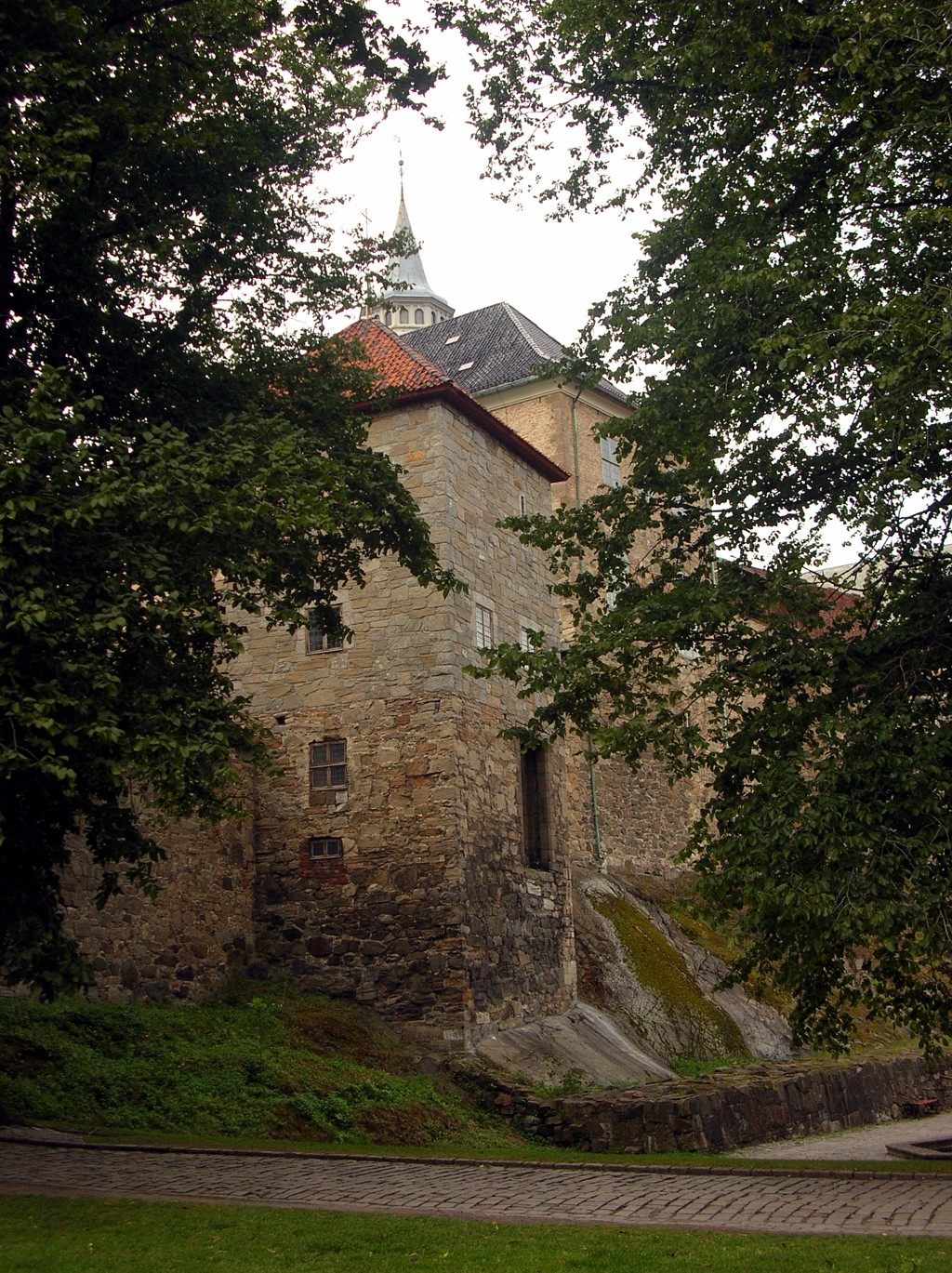
Photo: Marcin Szala, used with permission
Scientists working in Norway’s Jotunheimen
mountain range have been reaping the benefits of climate change, taking advantage of warmer conditions to make an exciting archaeological discovery whose implications may help to reconstruct the region’s ancient society.With glaciers melting quickly enough to reveal layers of ice that have never been exposed before, it’s an archaeological opportunity almost too much to handle. Artifact collection in frozen areas is a delicate process which often requires finding an artifact within a few days of its emergence. The artifact must then be carefully removed, transported to a laboratory, and frozen to keep it from disintegrating. This is especially true of any type of fiber (clothing, rope, and thread), animal skins, feathers, or hair, while wood takes a few years to rot and is easier to manage for archaeologists.
The Viking artifacts being discovered in Norway are predominantly wooden hunting weapons, but archaeologists are still struggling to collect all specimens before they start to fall apart.
Artifacts from Viking Hunters
Archaeologists are quickly learning more about Viking reindeer hunters based on the tools they’re finding in the mountains. The most commonly discovered artifacts are part of an innovative scare tactic meant to drive reindeer toward hidden batteries of Viking archers. This scare tactic involved creating a barrier of wooden stakes spaced about 6 ½ feet apart. Each stake had a foot-long piece of wood tied to its tip so any gust of wind would cause the entire row of stakes to start “flapping,” scaring reindeer toward the waiting Viking hunters.Most of these archaeological discoveries are incomplete, missing the thread which tied the moving pieces to the stakes, but scientists are hoping to find some intact as they increase their efforts. Bows and arrows and a leather shoe have also been found at the Jotunheimen sites.
Reconstructing Norway’s Ancient Society
According to Norse mythology, the Jotunheimen mountains were inhabited by the “Ice Giants,” also called Frost Giants or Jötunn (Jotunheimen means “home of the giants”). While they may have been tall in stature, these “giants” weren’t the superhuman entities of lore.What archaeologists do know about them is that they had an organized society, a conclusion drawn from the way Vikings would have cooperated to create the stake barriers for reindeer hunting. Scientists hypothesize that they hunted in groups of 15 or 20, lying in wait together with their bows and arrows until the frightened reindeer ran within about 65 feet of them. This implies that Norway’s ancient society was characterized by hierarchy, as leadership would have been a necessary part of organizing and executing a collective hunting strategy. The prolific Jotunheimen sites are likely to offer more insights into this ancient society and scientists are working to make more meaningful archeological discoveries.
Bio: Maria Rainier is a freelance writer and blog junkie. She is currently a resident blogger at Online Degrees, researching areas of online colleges. In her spare time, she enjoys square-foot gardening, swimming, and avoiding her laptop.
Sources:
Photo: Marcin Szala, used with permission