• Ancient Digger teaches Archaeology and History to all Ages!

Monday, February 4, 2013

Iranian archaeologists to return to the prehistoric Bām-e Qeshm Geopark


The provincial branch of Iran’s Cultural and Heritage, Handicraft and Tourism Organisation (ICHHTO), at the Island of Qeshm in the Persian Gulf, has announced archaeologists from Iran’s Archaeological Research Centre (IARC) will recommence their research on the prehistoric sites, before the end of current Iranian year (March 20th).

During the previous seasons, Iranian archaeologists have identified human settlements belonging to the Paleolithic and the Mesolithic ages. The settlements are scattered around the Bām-e Qeshm Geopark, the oldest dates to 150,000 years ago and it is considered to be the earliest human settlement in the Persian Gulf.

During the last seasons, a number of human and animal bones, stone tools and other material cultures were discovered, which assisted in scientifically dating the sites.

IARC also announced, at the same time an underwater archaeological survey will be conducted near the island.

Archaeological research in 2006 led to the discovery of 32 historical sites belonging to the Parthian (248 BCE– 224 CE), Sasanian (224–651 CE), and post-Sasanian periods. Also, the evidence suggests the trade was strong during the Safavid period (1501-1736 CE).

Qeshm during the Sasanian era was called Abarkāwān and was part of the district of Ardashir-khorra. Later lexicographers explained Abarkâwân as a corruption of Abargâvân, (cow island); this is a folk etymology, which is reflected in Tabari's story of a commander in Khorrasan who accused his soldiers of having ridden only cattle and donkeys on the isle of Banu-Kâwân before he had turned them into competent cavalrymen.

The Island of Qesh, it is the largest island in the Persian Gulf near the strait of Hormoz (Hormuz) and covers an area of ca. 133 Km long and 11-35 km wide on average. The Island is stretched closley along side the south coastline (Hormozgan) of the Iranian mainland, only 22 km away from Bandar Abbas. The island virtually runs parallel to the coast between Bandar Abbas in the east and Bandar-e Lenga in the west and is located in the midst of two of Iran's largest natural gas fields in the Persian Gulf.

In 1989 the Qeshm Free Trading Zone was established with the goal of attracting substantial infrastructure investment to expand industrial, banking and tourist facilities. With a population of around 85,000. The Island of Qeshm today has four designated industrial areas, half a dozen large towns, and over 50 villages.

Bam-e Qeshm Geopark was registered with UNESCO as the first Geopark in the Middle-East, to become a tourist hub in the Persian Gulf, but soon it was dropped from the list, due to the lack of management and failing to meet UNESCO’s requirements. According to UNESCO, in comparison to the rest of the world Qeshm is unique and no such area can be found in the world.

Source The Circle of Ancient Iranian Studies

Wednesday, July 11, 2012

Achaemenid Swage System at Persepolis Reopened By Archaeologists


© Persian service of ISNA
Iranian Archaeologists have begun work on unearthing the Persepolis swage system, which in ancient times diverted rainwater from the platform to prevent flooding, reported the Persian service of ISNA on Tuesday.

According to the news, apart from the sewage system, archaeologists have identified three water and irrigation systems at Persepolis, which circulated water over the platform. The sewage system, which is one of the most complex systems in the ancient world, diverted excess water flowing down from Mount Rahamt, away from the platform.

The Achaemenid engineers constructed and implemented the sewage system inside the platform before construction of the citadel. The oldest sewage system at Persepolis is dated to the reign of Darius the Great (r. 550-486 BCE).

Archaeologists believe that by unearthing and re-opening the ancient waterways and the sewage systems, they will be able to resolve the flood issue that Persepolis has been suffering from, particularly in the past few years.

Last year archaeologists warned the authorities that if no necessary measures were taken immediately to resolve the flood issue at Persepolis, the ancient edifice will cease to exit within 10 years.

Source: The News Section of the Circle of Ancient Iranian Studies (CAIS)

Monday, July 9, 2012

3500 Year Old Cemetery Discovered in Southwestern Iran


A cemetery dating back to 3500 years ago has been discovered in the Taj Amir region near the city of Yasuj in the southwestern Iranian province of Kohkiluyeh-Boyer Ahmad.

Over 20 graves have been excavated so far by an archaeological team in the cemetery, which covers an area of over 60,000 square meters, team director Mohammad Rajabi told the Persian service of IRNA on Friday.

The cemetery is estimated to contain over 500 graves, he added. Pottery, stone and bronze artifacts have been discovered beside the skeletons unearthed from the graves. In addition, earrings, rings, daggers, bayonets, coins and pottery jars have been discovered in the graves. All the artifacts have been transferred to a museum in Yasuj, Rajabi said.

About 8000 square meters of the cemetery have been destroyed by a construction project, which belongs to Yasuj University of Medical Science, he stated.

A total of 70 graves have been totally demolished during the construction project and all artifacts located in the graves have been lost, an expert of the Yasuj Cultural Heritage, Tourism and Handicrafts Department stated.

"The destruction process is still underway," said Rahmani, who gave only his family name.

Source: Tehran Times

Monday, May 31, 2010

Monday Ground Up: Naqsh-e Rostam Archaeological Site


Naqsh-e Rostam is an archaeological site located about 12 km northwest of Persepolis, in Fars province, Iran. Naqsh-e Rustam lies a few hundred meters from Naqsh-e Rajab.


The Naqsh-e Rostam rock cut tombs and reliefs were named after the Farsi name for medieval tales of the Persian hero Rostam. History tells of Arab armies bringing Islam to Persia during the seventh century. This was around the same time many pagan temples and monuments were being destroyed.

Archaeologists are still a bit unclear about the history of Naqsh-e Rostam, however what they do know is that the reliefs that surround the rock-cut tombs are a representation of the first and final stages of kingship.

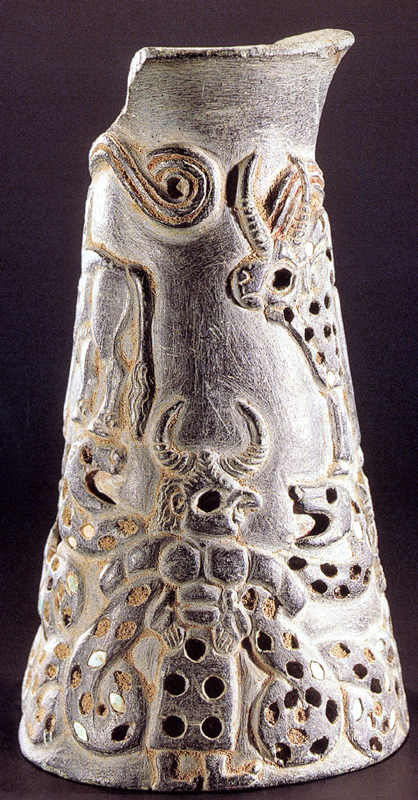
A "two horned" figure wrestling with serpents.


Located on the far left side of the monument is a relief that depicts an Elamite priest. The Elamites were an ancient culture based out of Southwestern Iran in the second millennium BCE. Little is known about their heritage, especially considering there are several fragments of history which are missing.


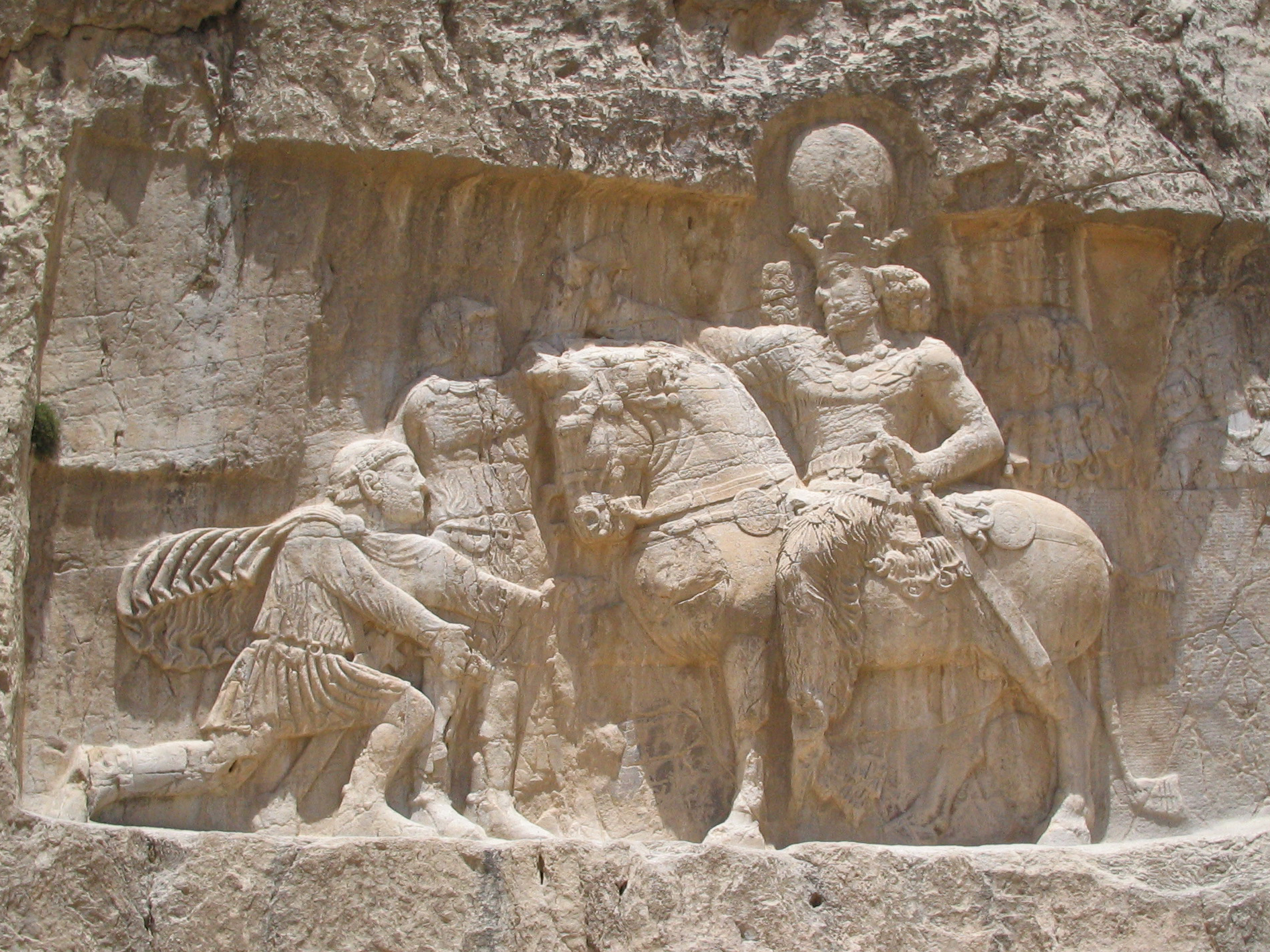
The second phase of the structure is clearly representative of Sassanian elements. Emperor Shapur I is carved into the cliff capturing Roman emperor Valerian and Philip the Arab, suing for peace.

The growth of the powerful Achaemenid Empire by Cyrus the Great led his successor Darius I to build his palace at Persepolis. Once Darius notice the towering cliff etched with ancient memorials dedicated to kingship, it was only a matter of time that he should add his own legacy. Darius had four burial tombs carved into the sides of the cliff.


The Achaemenid kings held the Prophet Zoroaster in high regard, so later a cubic building was crafted directly in front of the cliffs. The building was linked to Zoroaster, however archaeologists are unsure as to why that is and what the purpose of the structure was.

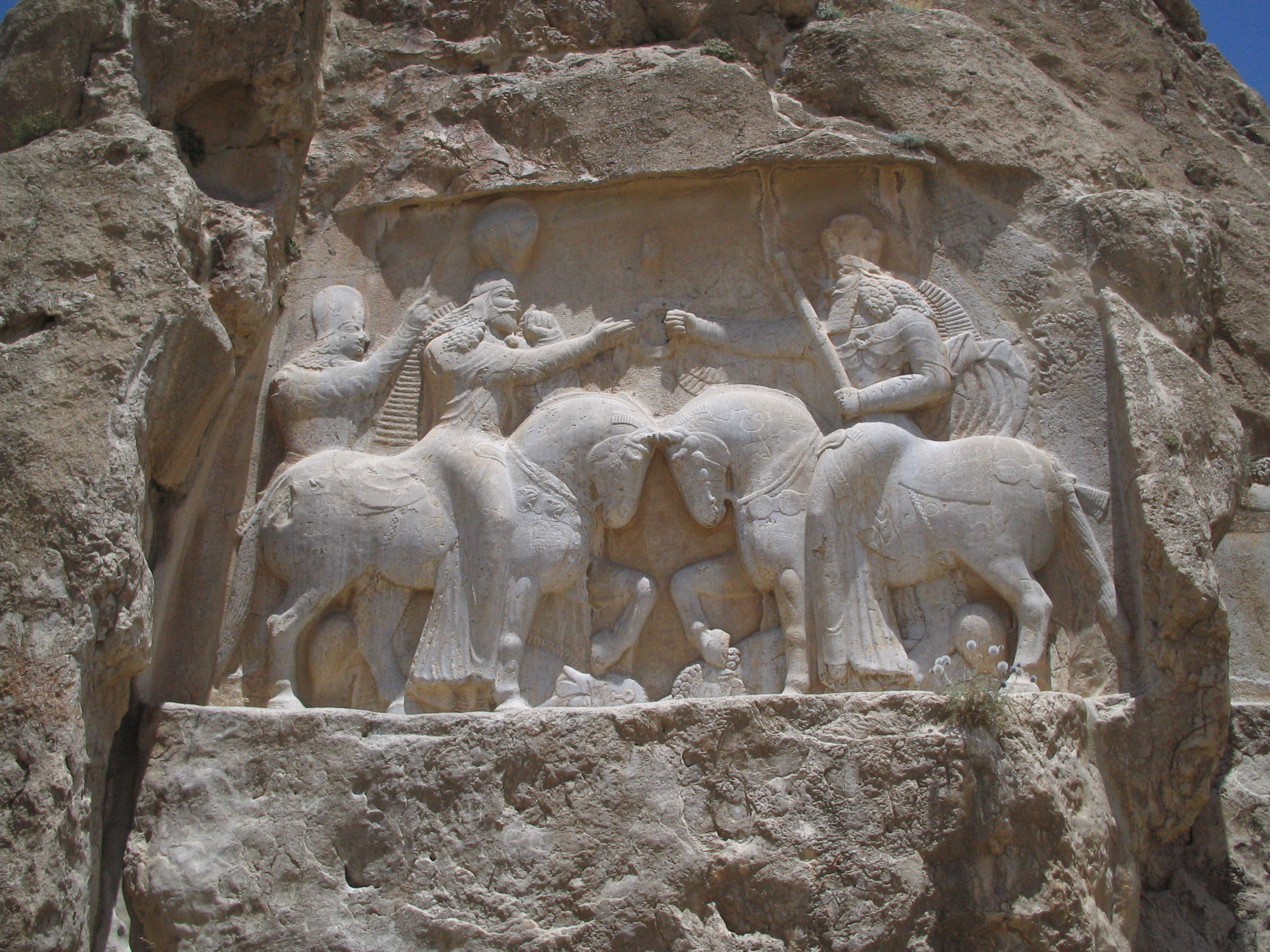
For centuries, the Persian-speaking Sassanian dynasty expanded upon the site, adding seven more rock-cut reliefs depicting rulers of the dynasty. In most cases, those reliefs depict the rulers receiving their Royal Insignia from Ahura Mazda (the Zoroastrian herald of good).

Ardeshir I


The earliest installation of Ardeshir I also contains the first chronicled use of the word “Iran”. With the overthrow of the Persian Sassanian state by the Arab armies of Islam, understanding of the iconography of Naqsh-e Rostam passed into folklore.

Also check out:

The Persian Empire was tolerant, as well as efficient. They allowed the peoples to practice their own religions, customs, and methods of living life. There were many years of peace during the Persian Empire which facilitated trade and encouraged the well being of its people. Many eastern people owe gratitude for being subjects of the Great Kings of Persia, including Cyrus the Great, Cambyses, and Darius who governed and expanded the empire.Read More about The Great Kings of Persia

Picture Sources

Naqsh-e Rostam
Elam Vase

Like Ancient Digger? Why Not Follow Us?


Subscribe Via RSS Feed Follow Ancient Digger on Facebook Follow Ancient Digger on Twitter Subscribe to Ancient Digger Via Email

Get widget

Search


Ancient Digger Archaeology Copyright © 2015 LKart Theme is Designed by Lasantha