• Ancient Digger teaches Archaeology and History to all Ages!

Thursday, December 31, 2015

Trip to Archaeological Site Wingfield Estate and Romney Manor in St Kitts


On a trip to the Caribbean in June, my fiancé and I had the pleasure to visit St. Lucia, St. Kitts, St. Johns, St. Martin, Puerto Rico, Barbados, and St. Thomas. Any time I plan a tour,  it seems I always sneak in something historical, hence my visit to Brimstone Fortress in St. Kitts.  I'm just glad my other half like these types of archaeological wonders as much as I do. 

We drove up to the site and stopped first at the Wingfield Estate where the ruins of the sugar mill were located.  I'm not sure what my fascination is with the kettles that line each plantation I visit. It must just be the smell of preservation. I've collected a plethora of information from Dunlawton Planation and Cruger and Depeyster, and now, I've moved on to the sugar works at the Wingfield Estate. 

Wingfield Estate


We were first taken on a tour of the firing tunnel, which was constructed of volcanic stone and imported brick. The tunnel was built to provide access to the boiling coppers. Dried sugar cane was stacked in the tunnel, which was then added to the main fire. Heat from the firebox heated the boiling wall and then the water in the steam boiler. It's been said that a network of tunnels also connect to other parts of the sugar works on the site. 


Romney Manor 

Romney Manor originally dates from the 17th century. The Europeans took over the area  following the Carib Indian Massacres. According to records, King Tegreman, who was the Carib Indian leader, built his settlement there. Following his demise, Sam Jefferson, one of the original settlers, claimed the site as his own. Sam Jefferson was the great, great, great grandfather of Thomas Jefferson, who was the 3rd president of the United States of America.


Around the mid 17th century, San Jefferson sold part of the property to the Earl of Romney. He named it Romney Manor. The house was named Romney Manor, and the entire estate took on the name Romney's. Romney's estate changed hands to each succeeding Earl of Romney until the late 19th century.  


As we made our way around the grounds, we stopped at the bell tower. I'm not sure what it was about this particular place on the site, but it reminded me of some odd scene from a movie. Not to sound cliche, but it was magical, and it seemed there was more of a story here. However, after I learned what purpose this bell tower saved, it was much less grand than once thought. 

The bell tower was used to control the slaves. The sound of the bell was heard throughout the day, and would alert the slaves to begin their day of work, end their day in the fields and return, and time to sleep. Evidently, bell towers, because of their symbolism, were destroyed at the time of emancipation, however the Early of Romney was known as a more benevolent owner. Romney immediately released his slaves at the time of emancipation. Other owners prolonged their ownership for a further four years. As a result, the bell tower at Romney Manor is the only perfectly preserved bell tower still standing in St. Kitts.


We ended the day by walking through the garden path, and examining the many species of flora and fauna throughout the property.  


Wednesday, July 14, 2010

History of Libraries


Anytime I find myself at a library, I tend to migrate to the darkest, dungeon like area, filled with leather bound books and quiet enough to hear a pin drop. However, did you ever stop and wonder how those books surrounding you got there is the first place? The History of Libraries never really dawned on me until I checked out a book that hadn't left the library since 1956.

This particular article by Louise Baker about the History of Libraries Through the Ages is definitely the  most extensive history I've seen on the net, so for that, thanks Louise.

Archeologists have spent centuries pulling together bits and pieces of history about our past. As a result of their research, they have managed to find what seems to be proof of the first libraries located in ancient Egypt. Most of their conclusions were drawn from the information gathered by previous thinkers, philosophers and scientists who visited Egypt and were able to gather proof of documents found throughout the country in safe places equipped to store the documents.

In the paper, The Library in Ancient Egypt, Cairo University professor Dr. Abdel-Halim Nureddin explained that these safe places could only be described as libraries in that they required “classification, presentation and staff (librarians and many others)” just as modern libraries do today.

Read More:  History of Libraries Through the Ages By Louise Baker

Site: ZenCollegeLife
Picture Source

Wednesday, June 30, 2010

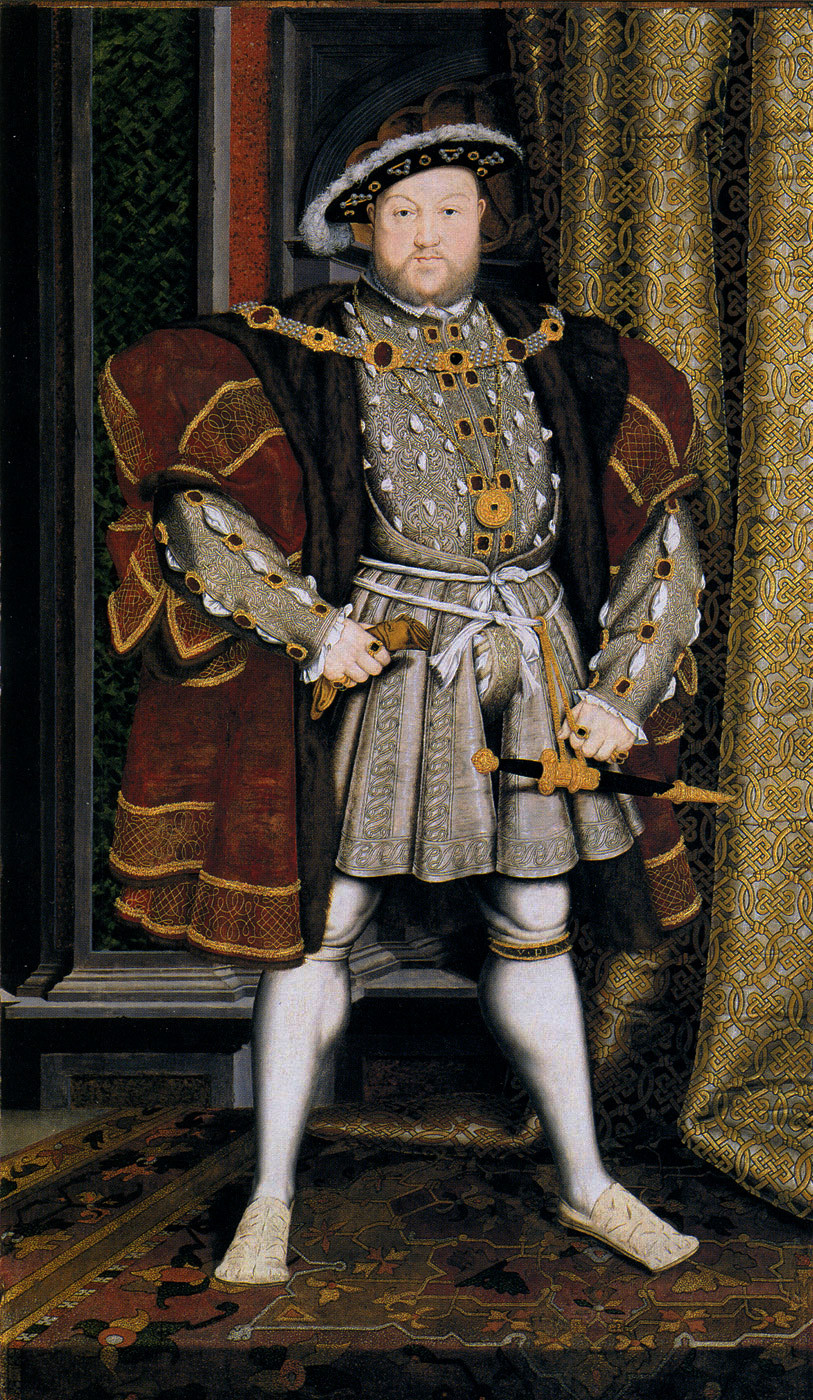
The Tudor Dynasty


The Tudor dynasty reigned for 118 years,after the first Tudor King,Henry Tudor, defeated Richard III at the battle of Bosworth in August 1485.

The death of the Yorkist king and defeat of his army, saw the end of the War of the Roses, that had raged for 32 years, from 1455 to 1487.

The war of the Roses were a series of civil wars fought between the houses of York and Lancaster.The name was based on their badges, the white rose for the house of Lancaster, the red for the house of York.

 From the In Depth Story: The Tudor Dynasty; A Family History via DeeBee

Picture via : Wikipedia

Thursday, June 24, 2010

Keble College at Oxford


Michael Johnson is a lecturer and fellow history writer, recently publishing a fascinating piece about Keble College at Oxford University . Keble College is renowned for its visually striking Gothic Revival buildings designed by William Butterfield, a leading architect of the High Victorian period. However, the architectural historian Kenneth Clark described Keble as “the ugliest building in the world”.

This couldn't be farther from the truth. The building is positively exquisite, combining a sense of modernity and Victorian Gothic styles. That's of course my personal view. During the 20th century Modernism was in vogue. I'm assuming this building threw off the balance of what was acceptable as far as architecturally.

Read the entire article Keble College at Oxford

 Keble College: Past and PresentSermons Preached in the Temporary Chapel of Keble College, Oxford 1870-1876The Medieval Manuscripts of Keble College, Oxford: A Descriptive Catalogue with Summary Descriptions of the Greek and Oriental Manuscripts

Monday, June 21, 2010

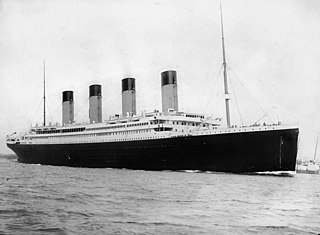
Monday Ground Up: Archived Photography of the White Star Line and Her Ships


The White Star Line was a British shipping company most famous for its ill fated flag ship the RMS Titanic and World War I sister ship, Britannic.

The White Star Line was originally founded in Liverpool in 1845 by John Pilkington and Henry Wilson. The company's initial focus was on the Australian gold mine trade. In the early 1850's if you had sound ships and ran the Australian route, it would almost be difficult to not succeed. In one month of 1853, no less than 32,000 "get rich quick" hopefuls left port in Liverpool bound or Australia to strike their fortunes in gold. Australia's colony population jumped from 430,000 to 1.7 million in just 3 years after gold was discovered.

Sunday, June 20, 2010

Medieval Mason's Marks The End of Boxed Furniture


Gone are the days where quality furniture was carved out of one piece of solid wood, or a swivel office chair was already put together, included in the price of course.That must be by I adore the architectural and structural forms of archaeology, whereas things were just built better, and meant to last.

Mason’s Marks refer to marks made on the blocks of walling stone and on moulded stone as part of the construction process, and have been in use for centuries. Academics studying the use of the marks at the University of Warwick claim self-assembly furniture manufacturers could learn a lot from the ancient system and save thousands of pounds in production costs.

The marks are a sophisticated series of symbols which operated outside literacy and enabled instructions to be transferred between the designers and the constructors of buildings across the building world . The system is universal and different versions of Masons’ Marks have been found in use at various sites across the world, over a 4,000 year period.

Read and Watch the Video about the Mason Marks  and the end of Flat Pack Furniture@PhysOrg

Freemasons: A History and Exploration of the World's Oldest Secret SocietySolomon's Builders: Freemasons, Founding Fathers and the Secrets of Washington D.C.The Constitutions of the Free-Masons

Wednesday, June 16, 2010

Dambusters dig to find secret bunker


ARCHAEOLOGISTS have begun an investigation at the home of the Dambusters in a bid to find a secret hidden bunker.

St Vincent’s, off Harrowby Road in Grantham, will forever be assured a place in British history as the headquarters for No. 5 Bomber Group during the Second World War and the birthplace of the Dambusters.

‘Bomber’ Harris and Barnes Wallis were both at St Vincent’s the night of the Dambusters raids. Now, more than 70 years later, St Vincent’s will welcome investigators from Grantham Archaeology Group to find out what secrets the building still holds.


Read more about the Dig for the Secret Bunker

Like Ancient Digger? Why Not Follow Us?


Subscribe Via RSS Feed Follow Ancient Digger on Facebook Follow Ancient Digger on Twitter Subscribe to Ancient Digger Via Email

Get widget

Search


Ancient Digger Archaeology Copyright © 2015 LKart Theme is Designed by Lasantha